I build race cars from a blank page: two of them so far, in Qatar, plus the engine of a third. I also train the models that read human motion before it happens. Graduating May 2027. Looking for a seat on a motorsport engineering team.


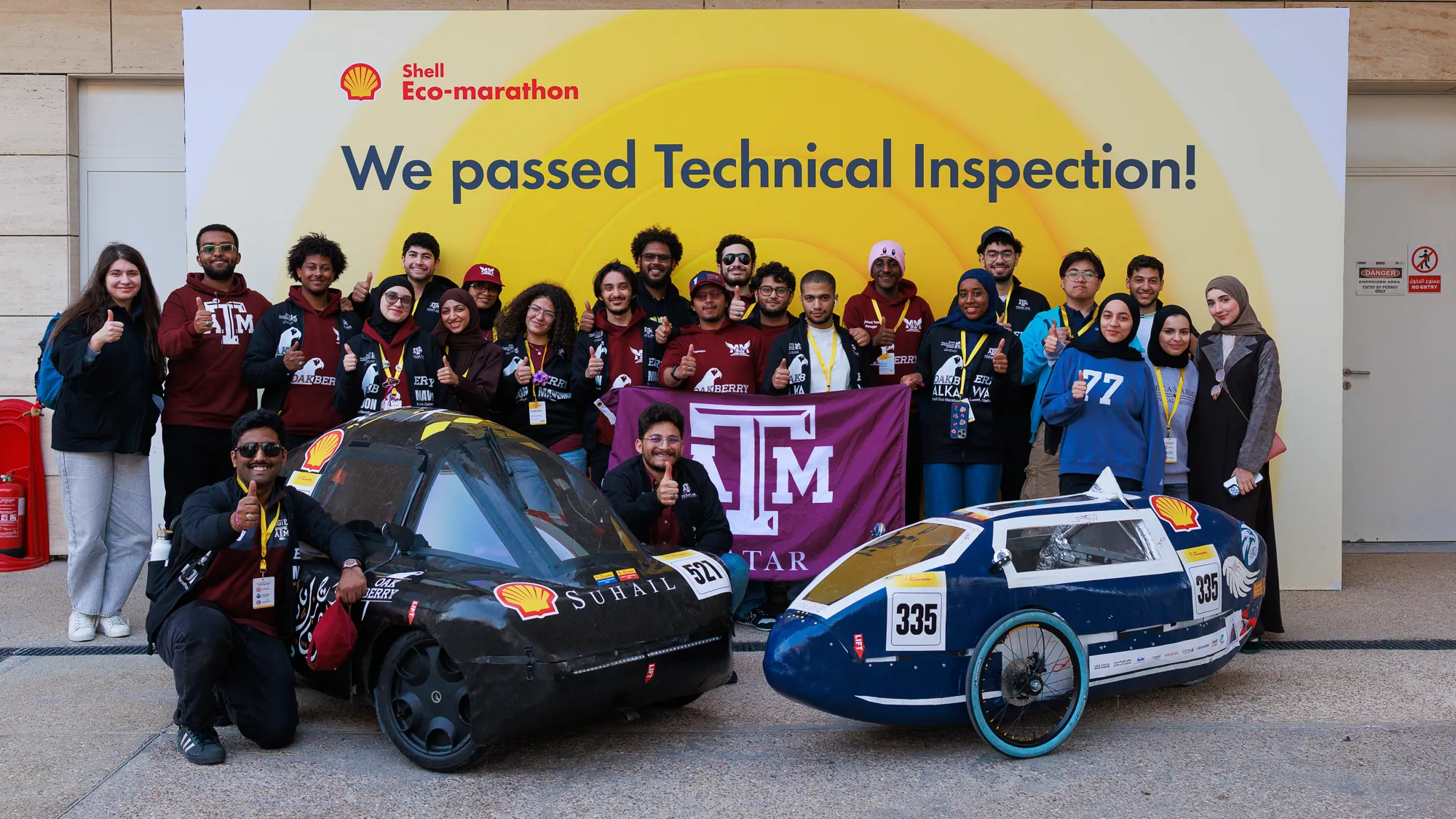
Two cars, two roles. I helped establish ALKAWASER, the Prototype team, from nothing (recruiting, structure, workshop access), then led its technical side: body design in SolidWorks, aero CFD, composite tooling and the build. We passed technical inspection at our first-ever participation. In parallel I was ICE lead for Maroon Mavericks, the Urban Concept team: engine, CVT drivetrain and EFI tuning.

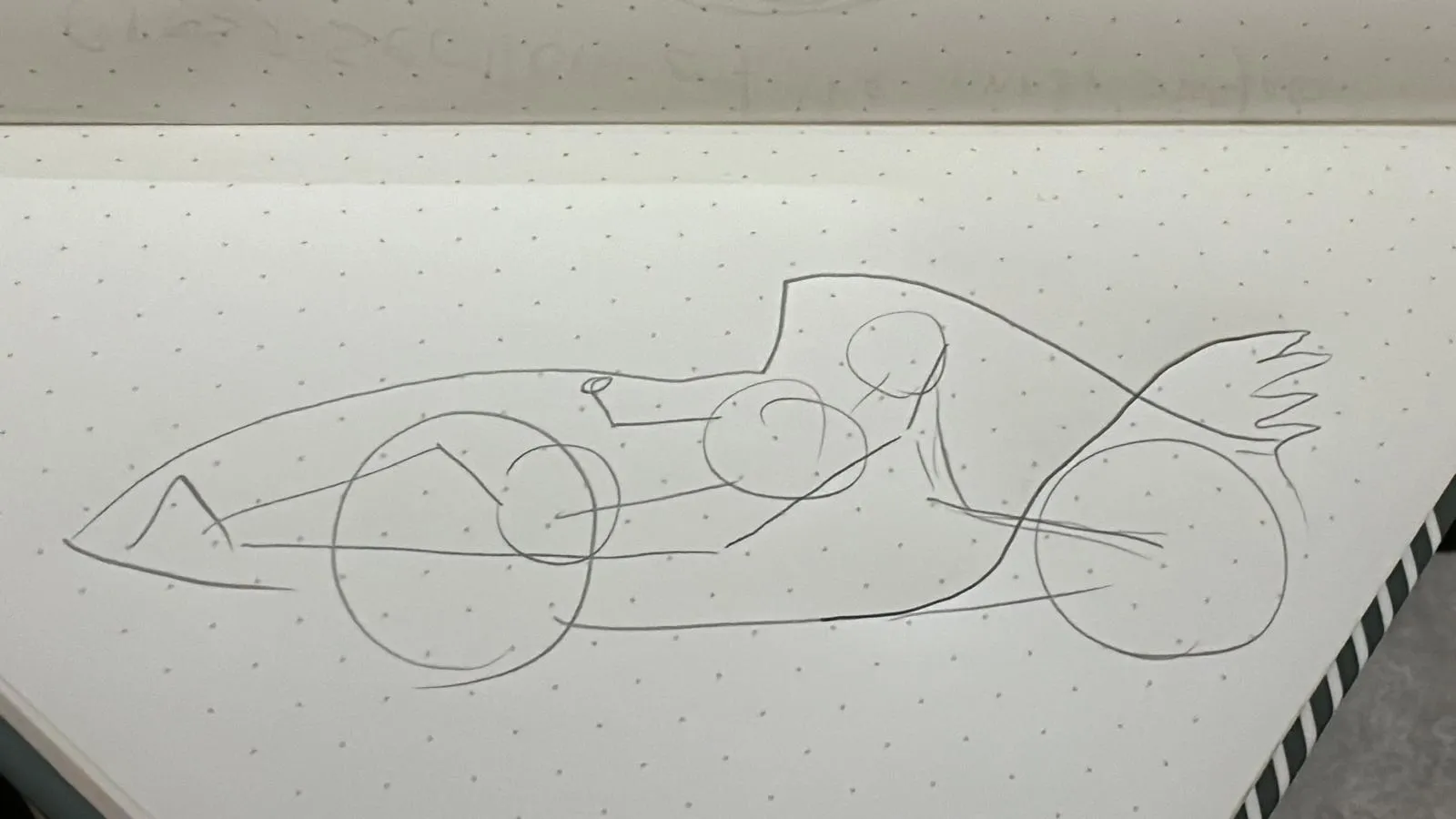
The very first line on paper: body, driver packaging, wheel placement. Pencil before CAD, always.

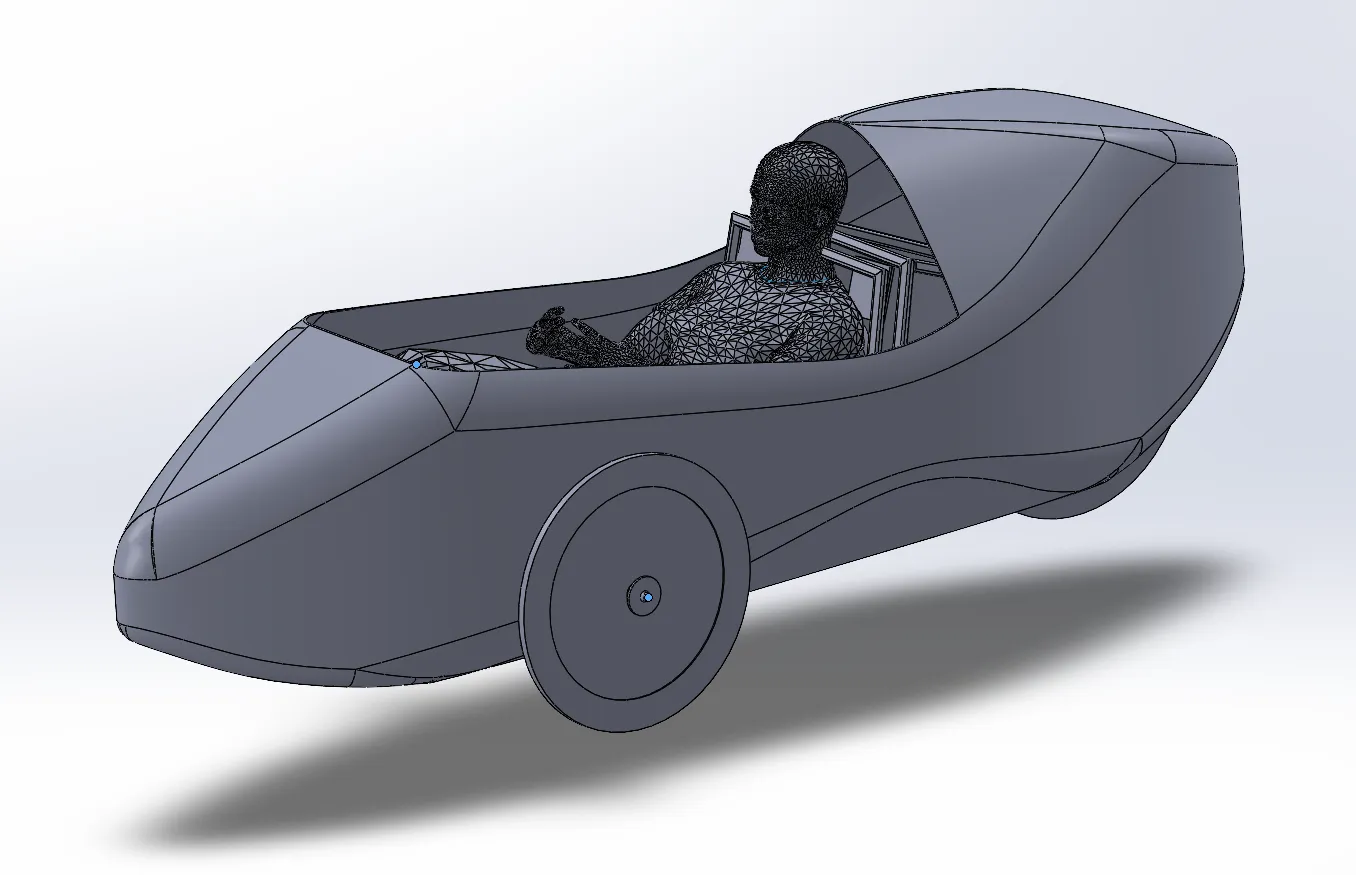
Full body in SolidWorks around a driver mannequin: sightlines, egress and envelope checked against the rulebook.

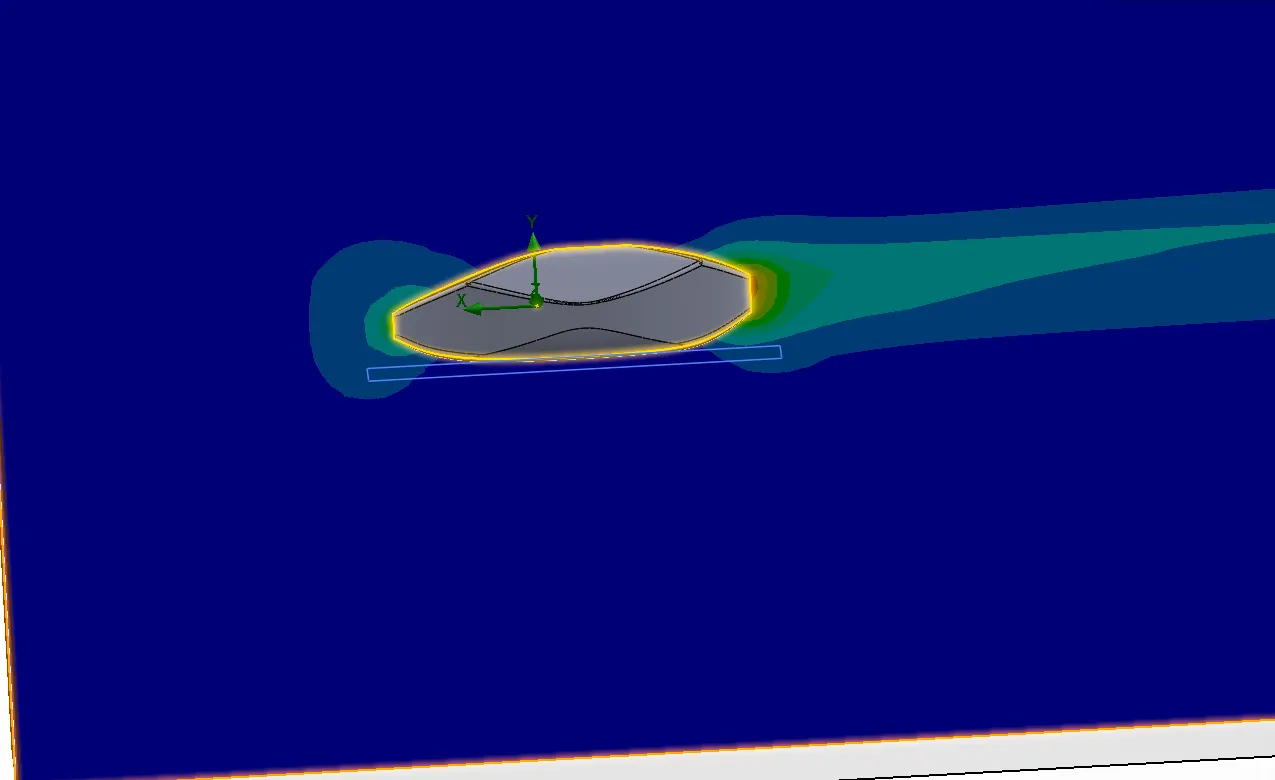
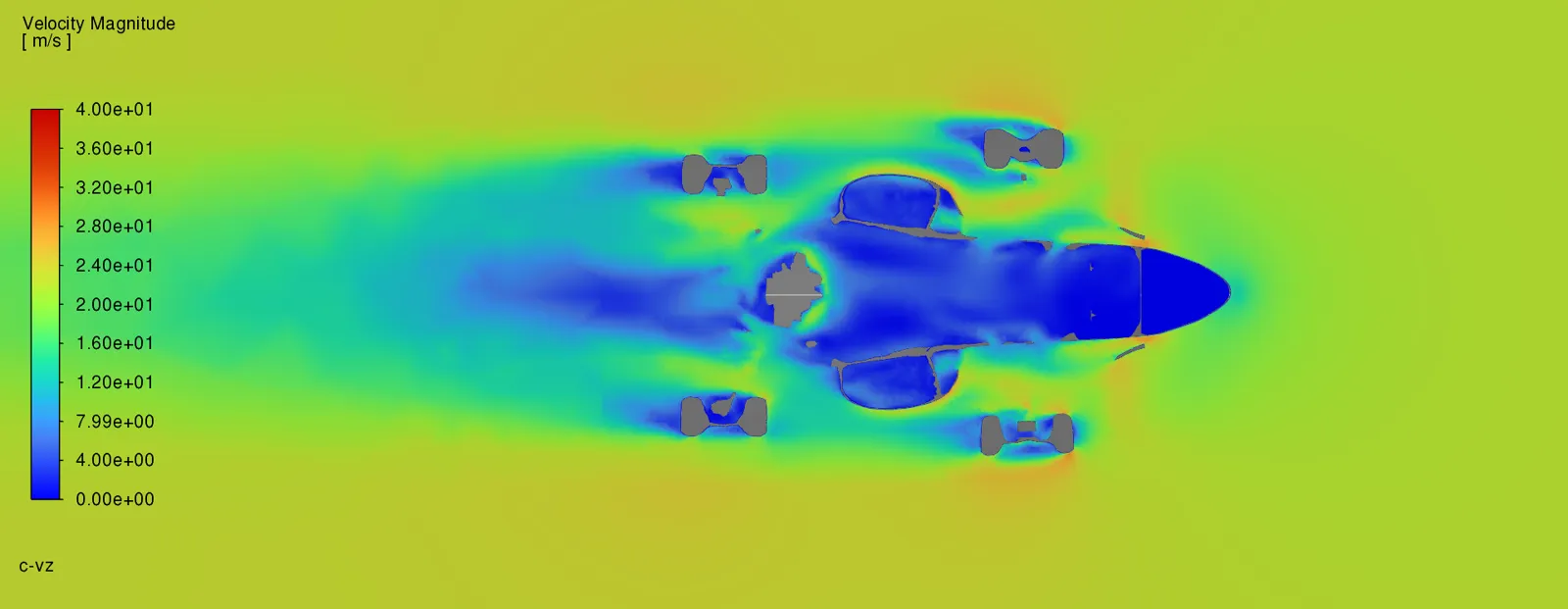
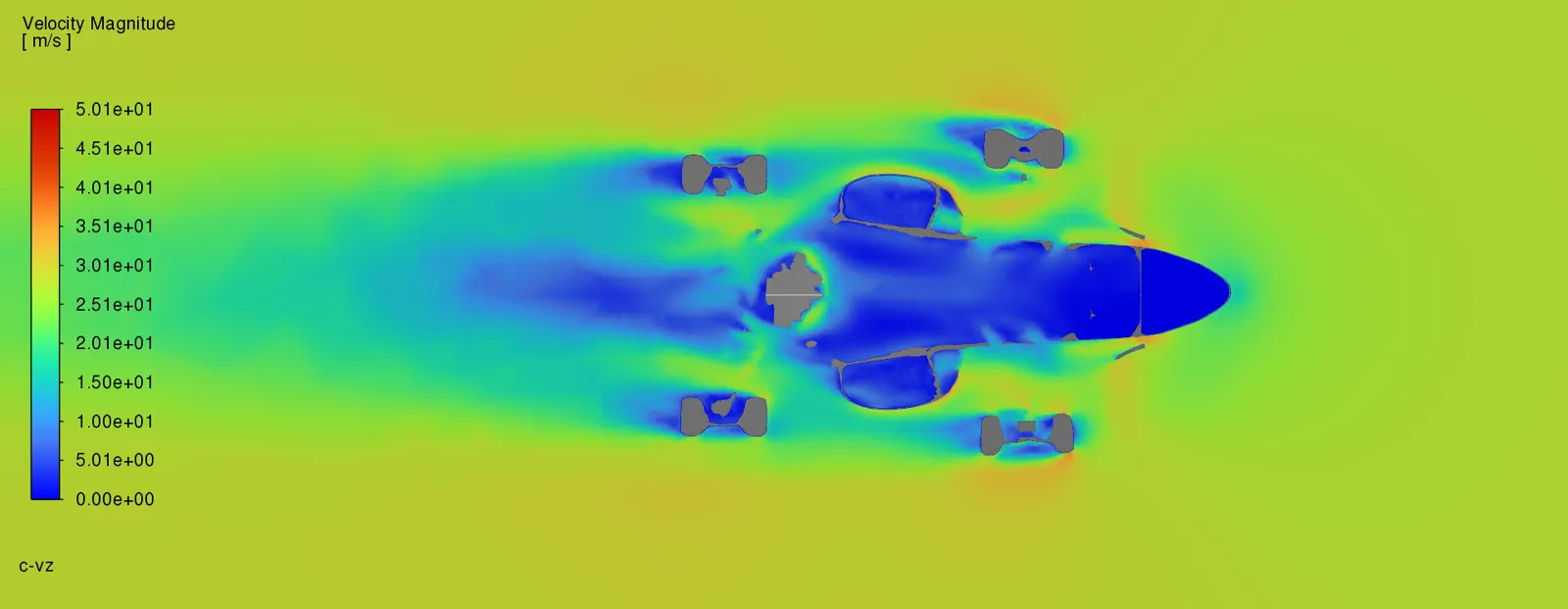
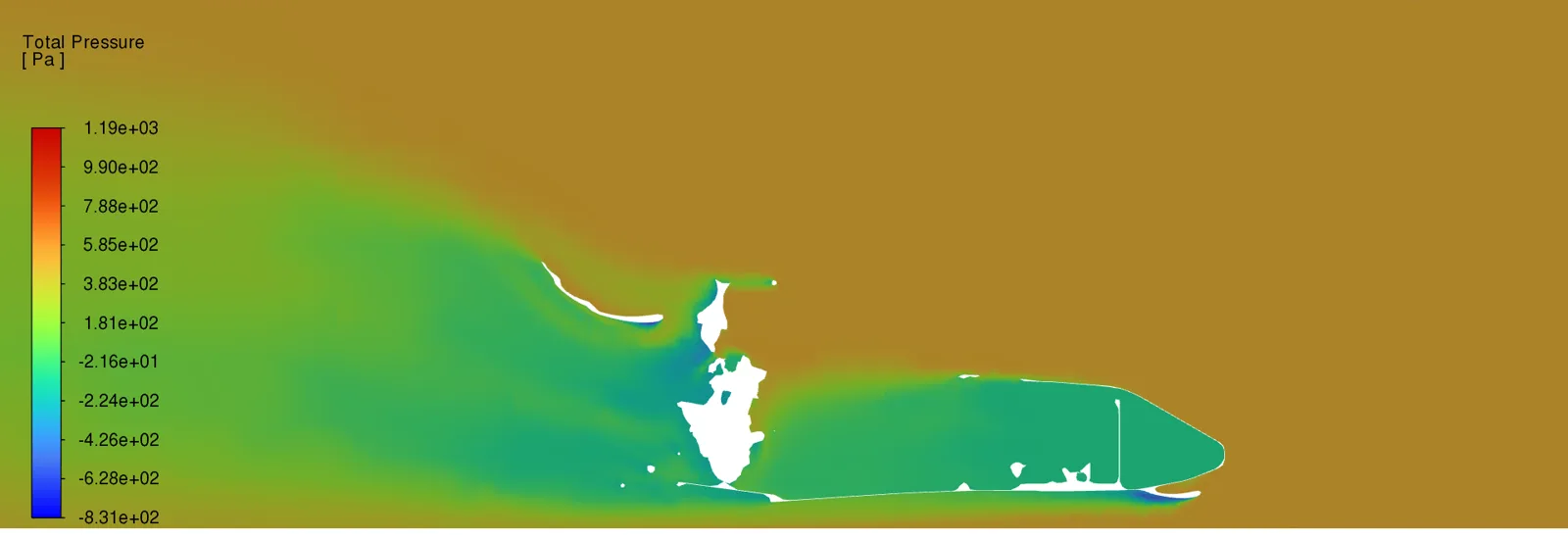
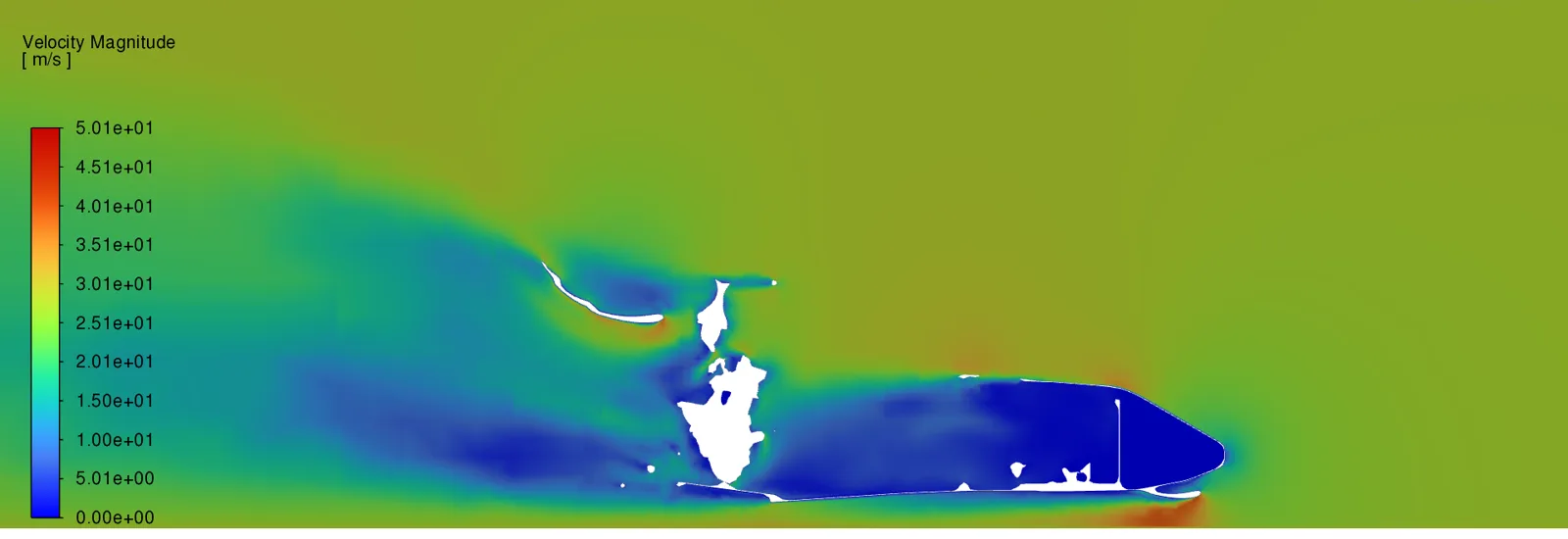
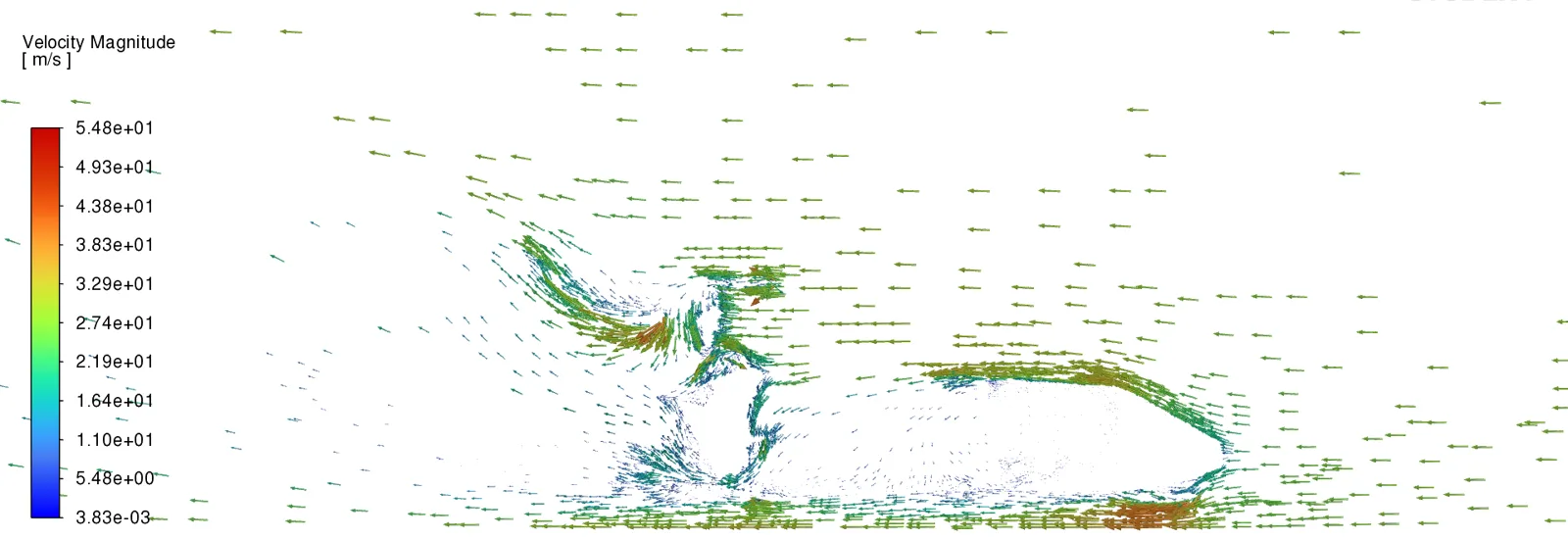
Velocity and pressure fields to trim drag and tame the wake. That's the whole game in an efficiency race.

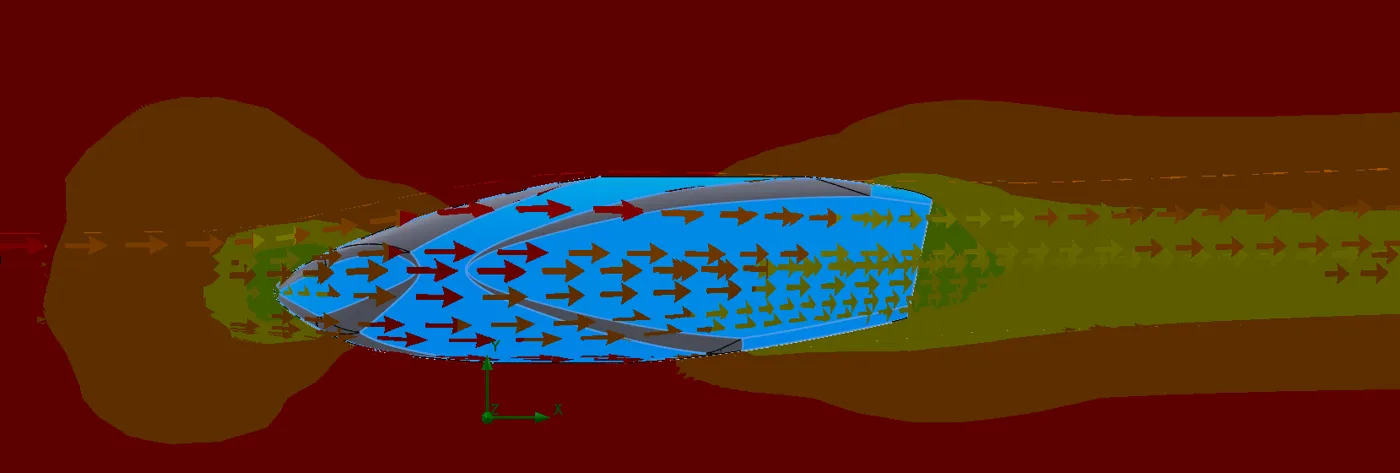
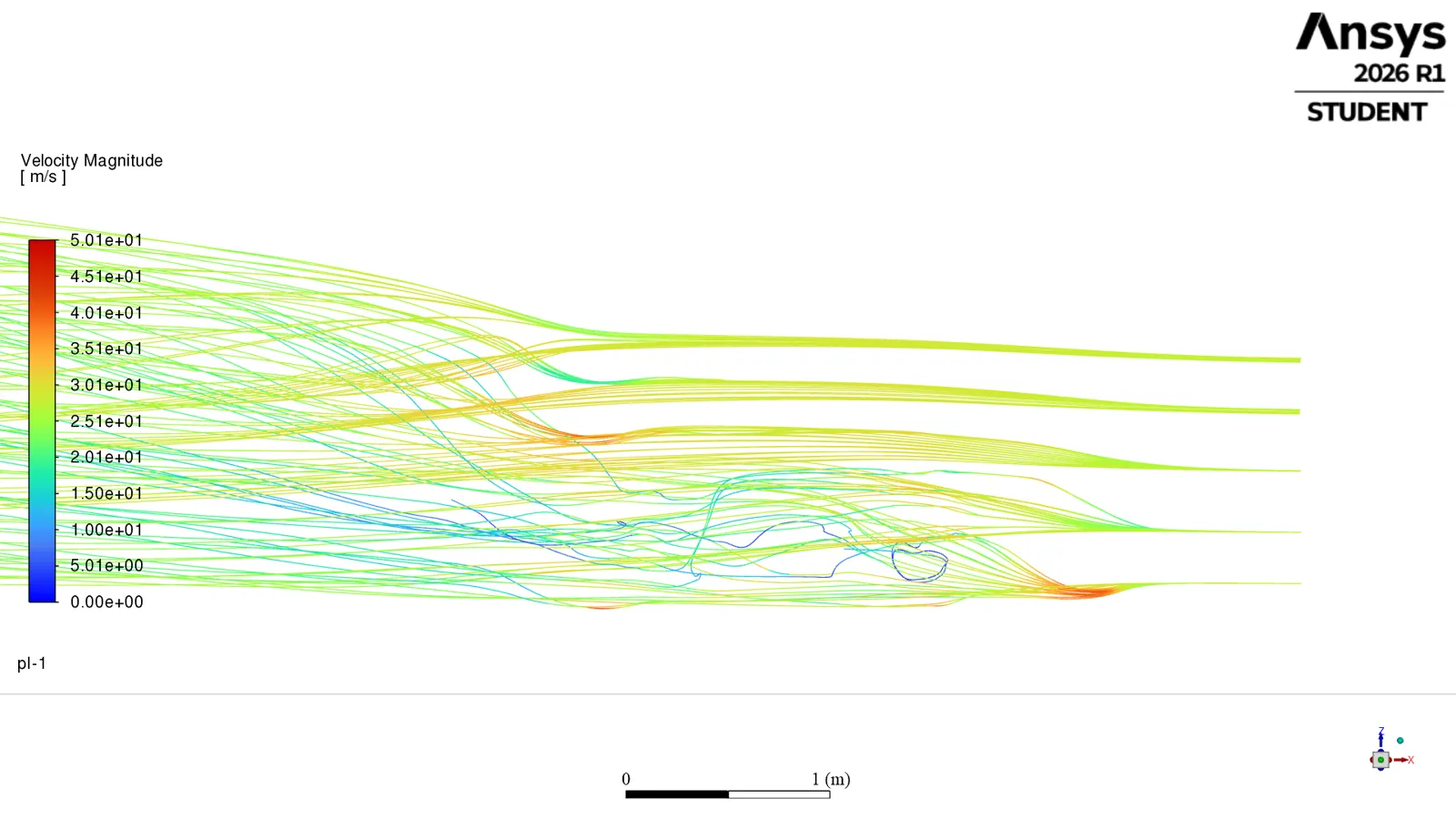
SolidWorks Flow cut-plot with trajectories, checking attachment along the canopy and the wake behind the tail.

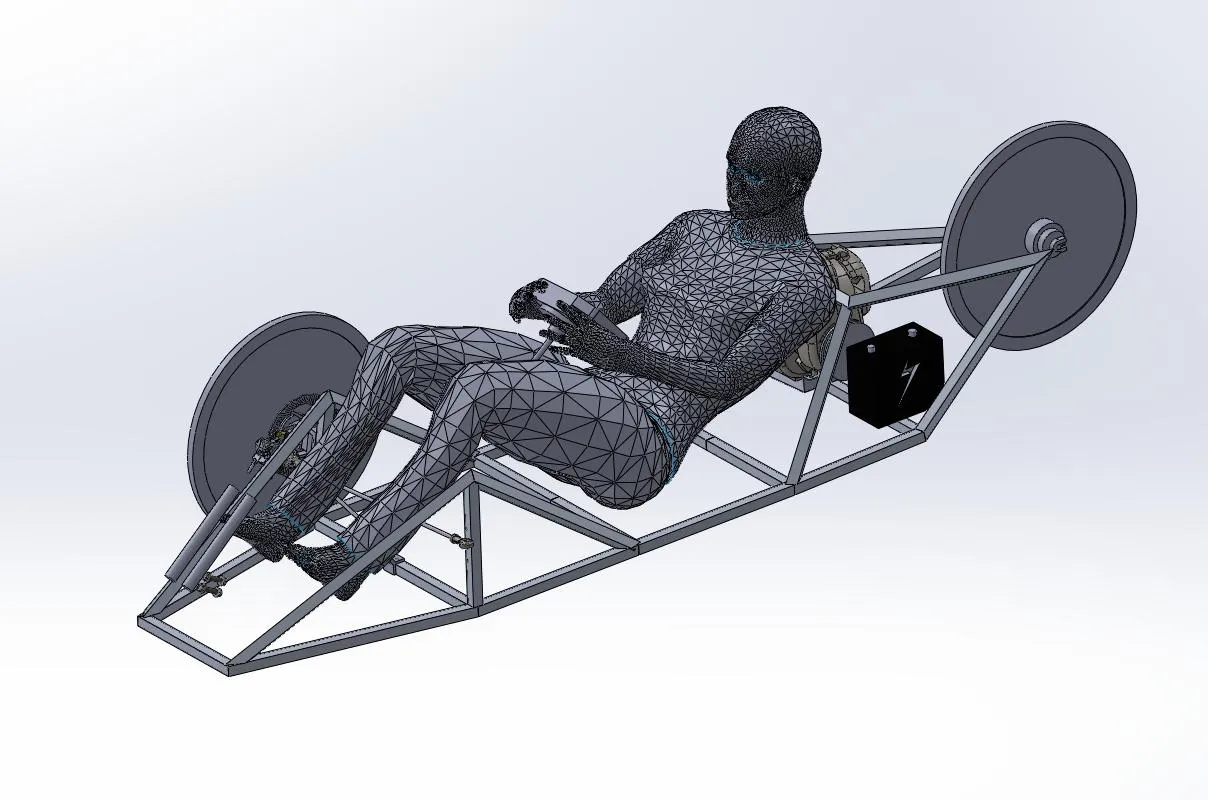
Tubular chassis around the driver, motor and battery, then stiffness and load cases checked in FEA before cutting anything.

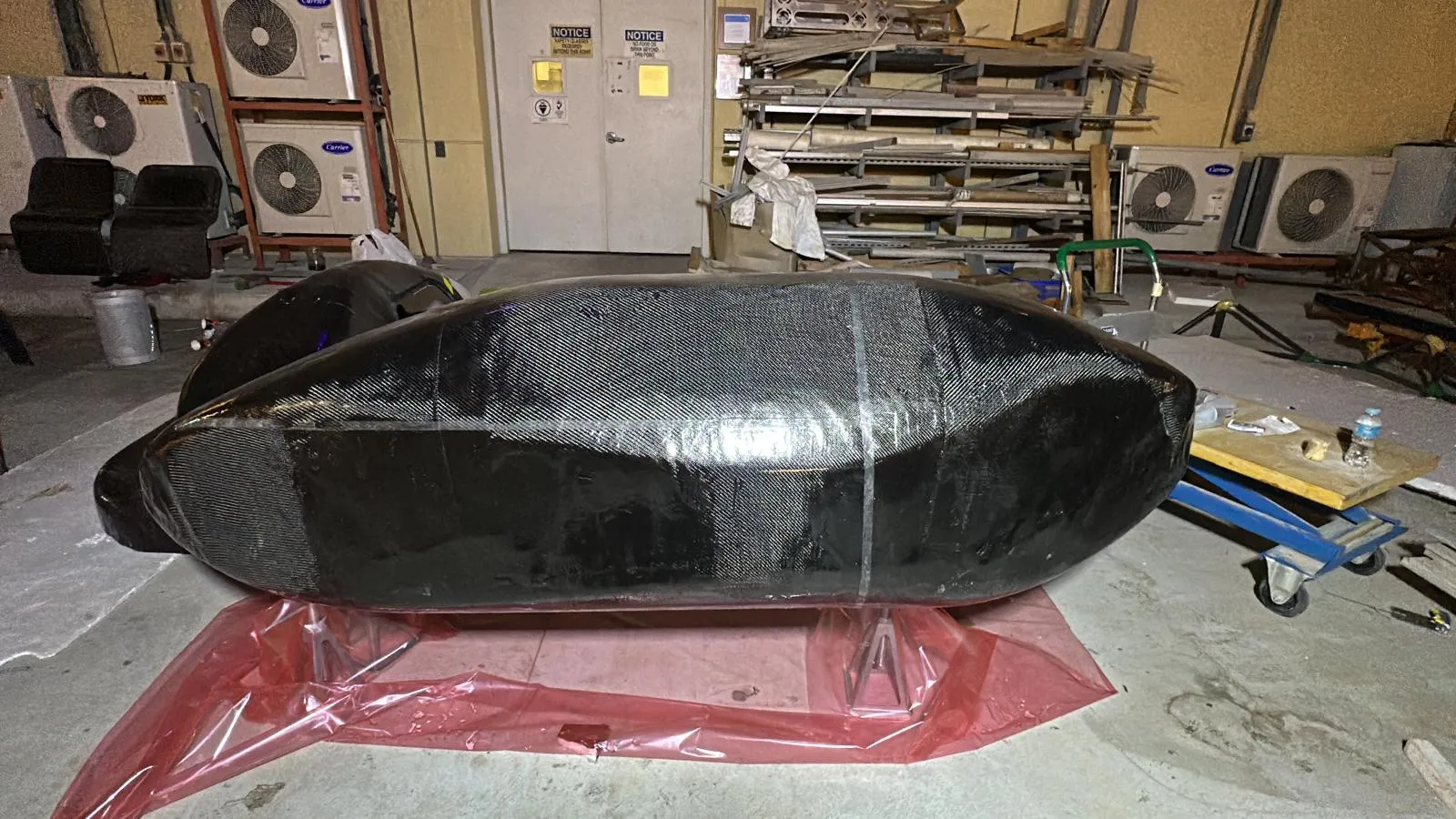
Hand layup over the plug: carbon shell, fibreglass tooling, vacuum bagged.

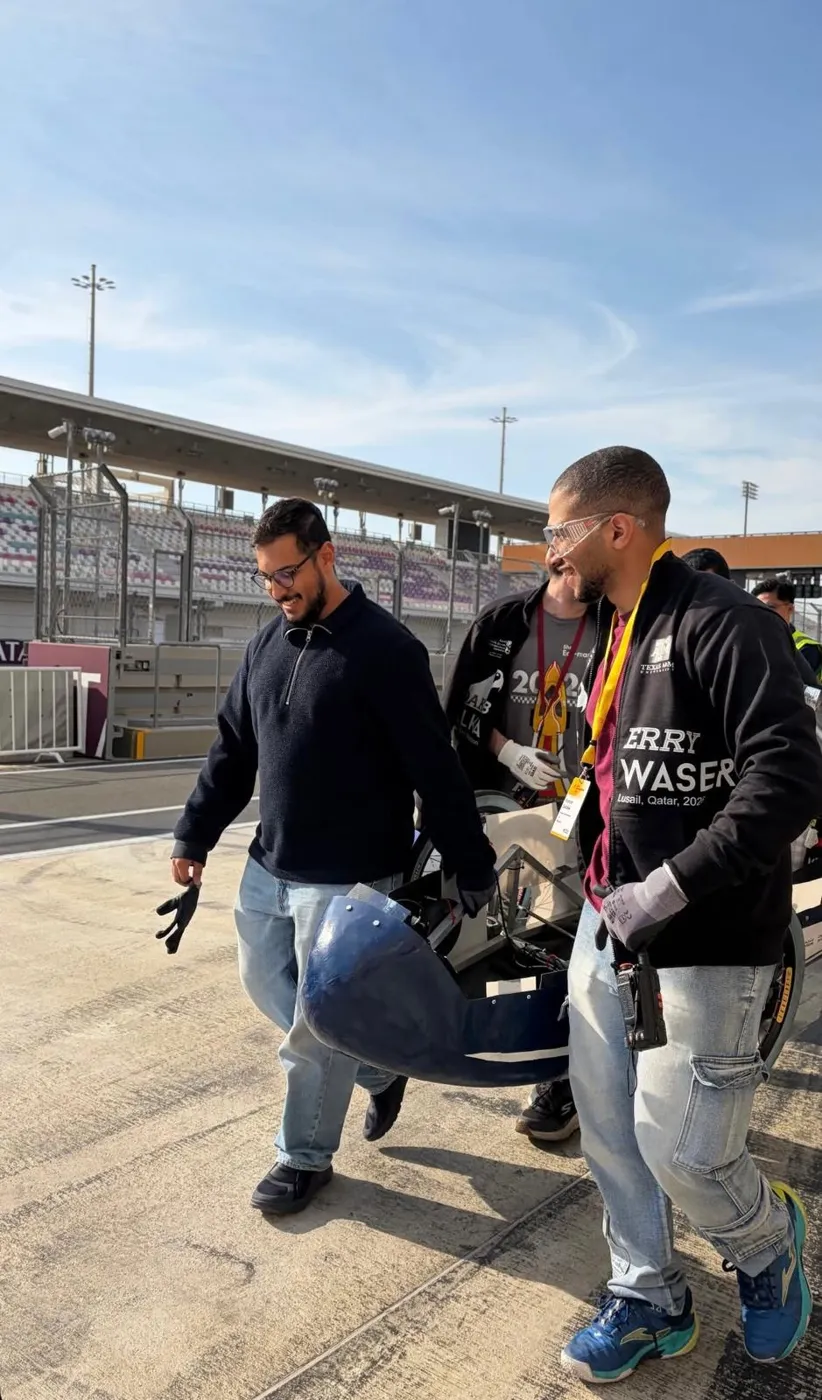
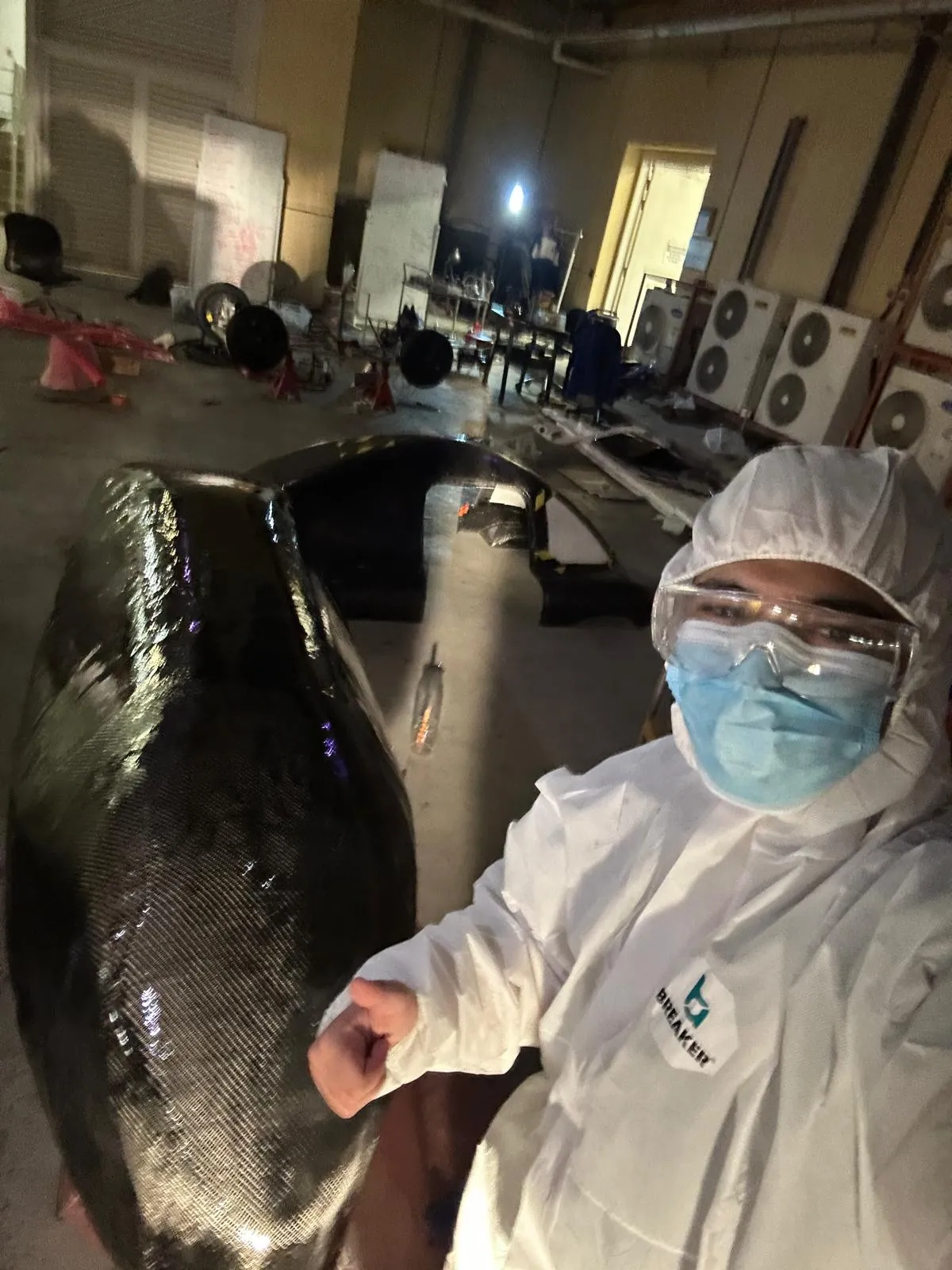
I don't just draw it. Layup, trimming, bonding, wiring. In the suit, in the shop.

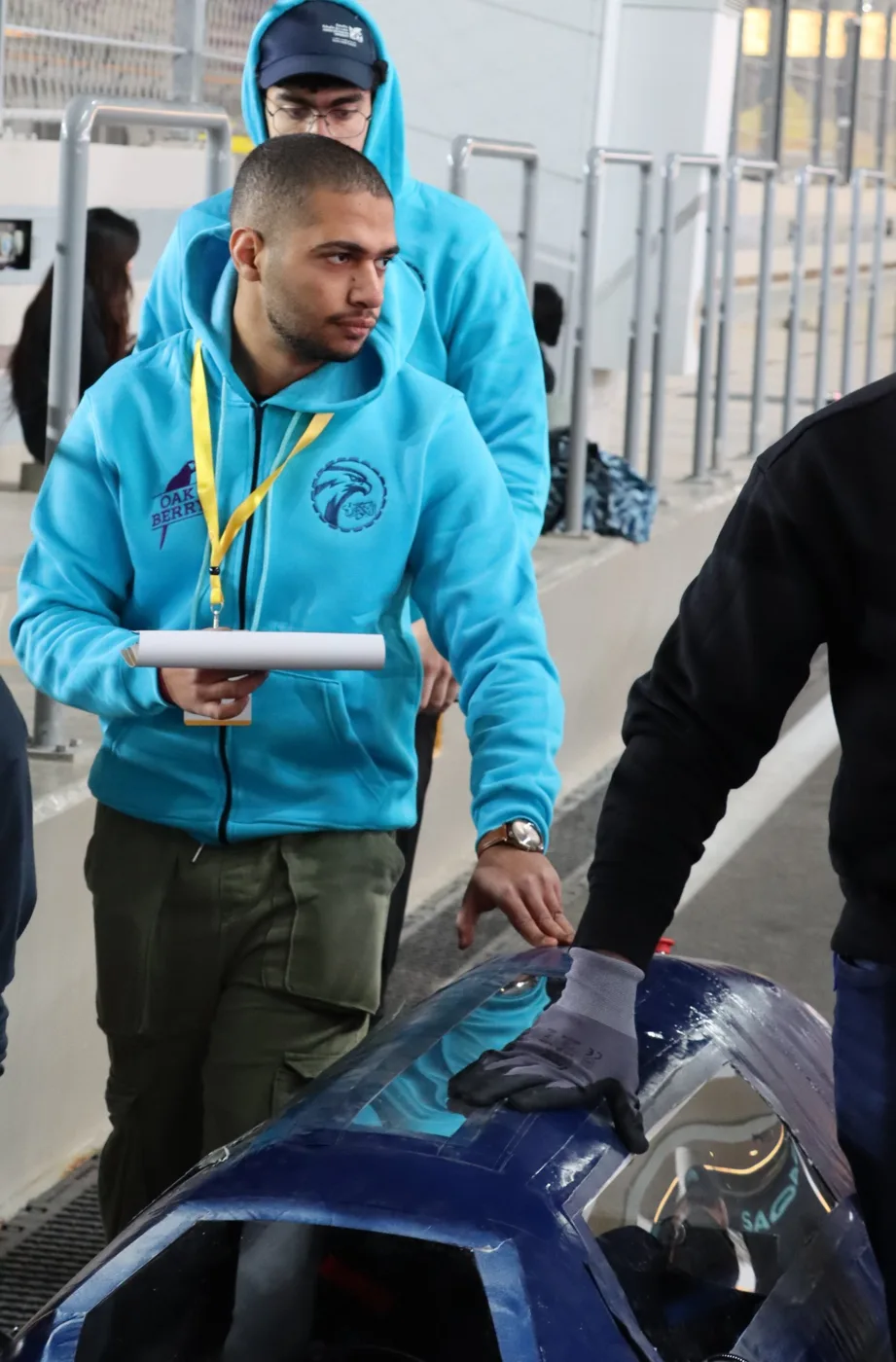
Driver egress, brakes, electrical isolation, visibility. Every box ticked at Lusail.

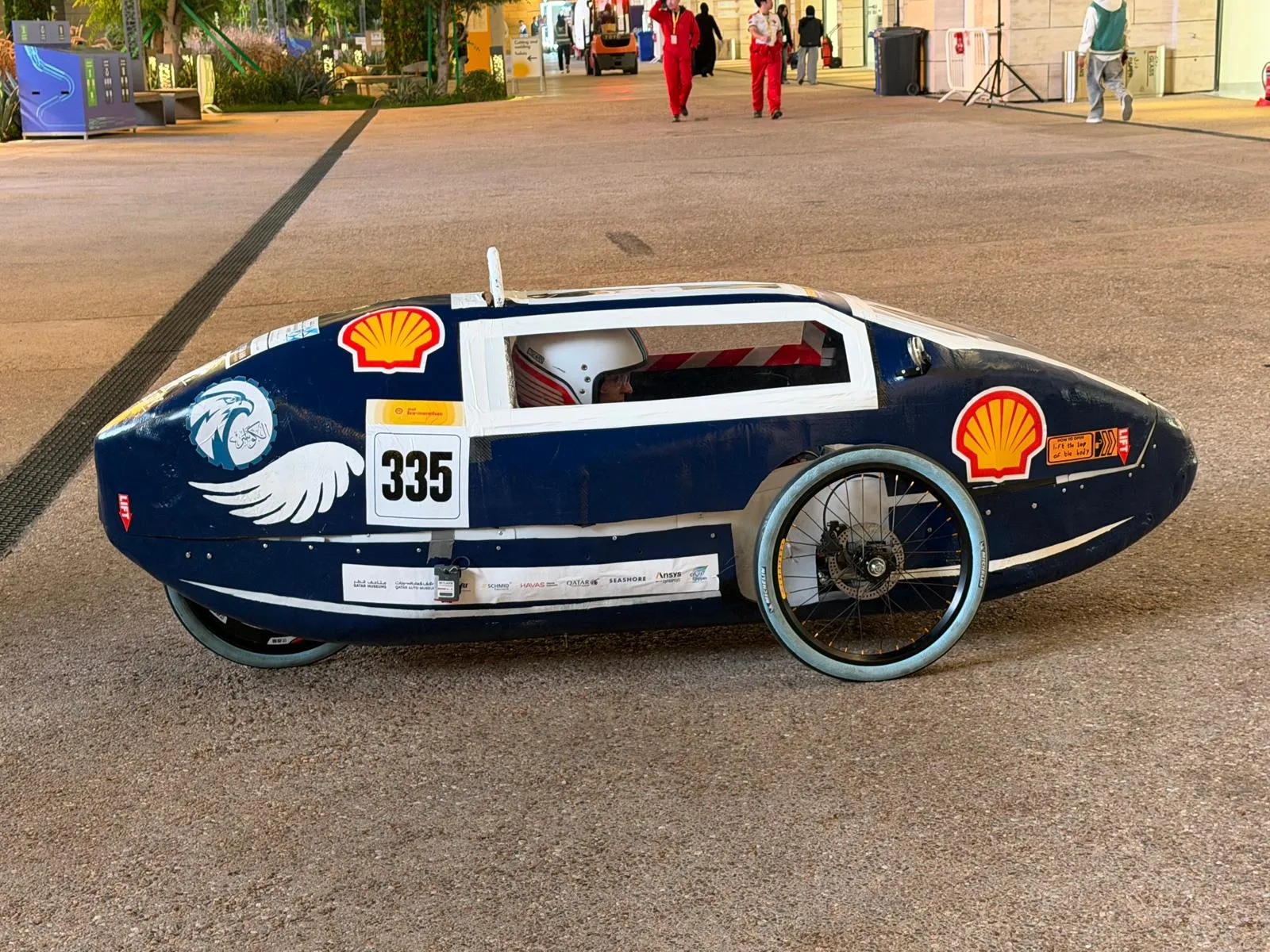
Car #335. Passed technical inspection on the first attempt.
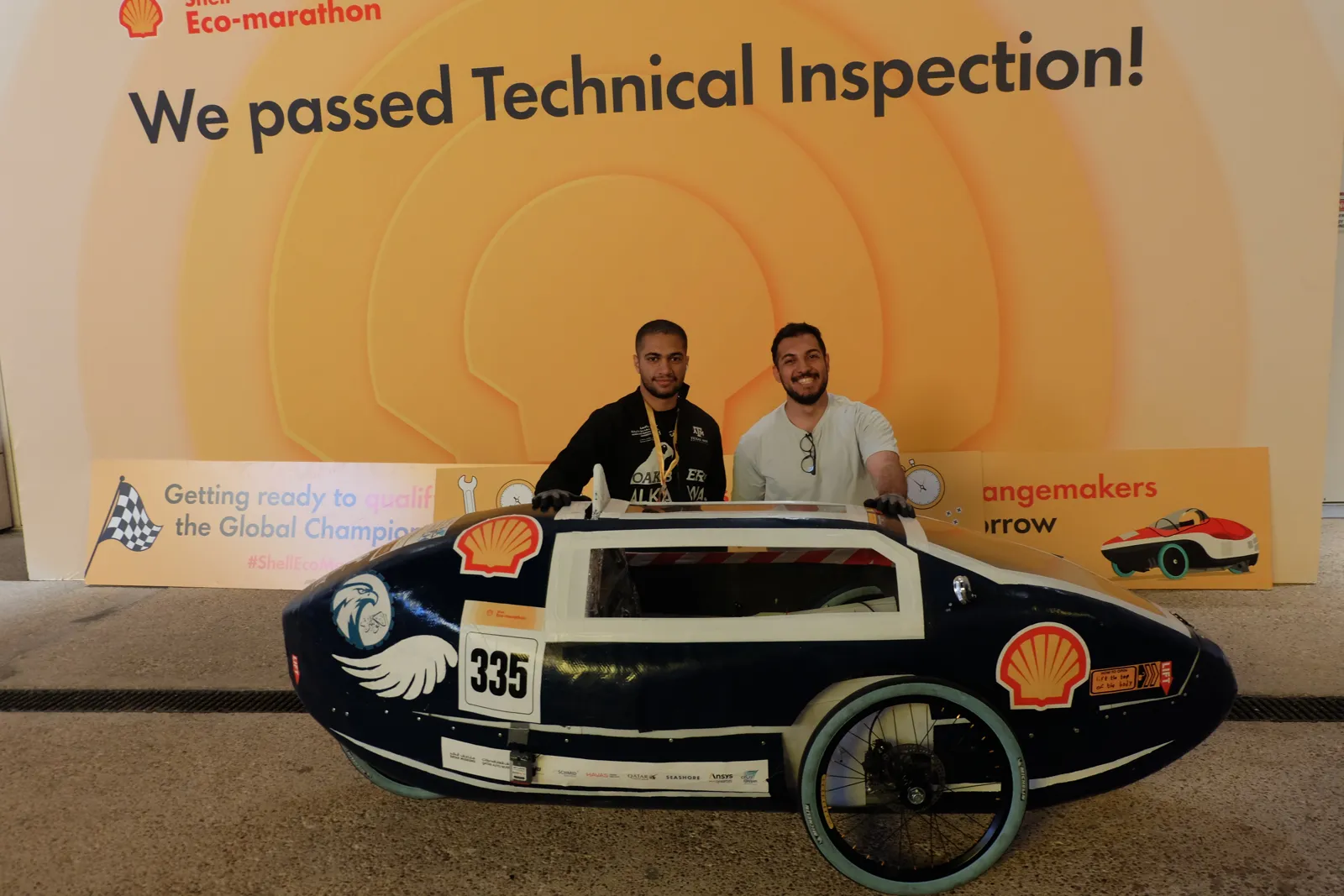
We passed technical inspection
The team · Lusail
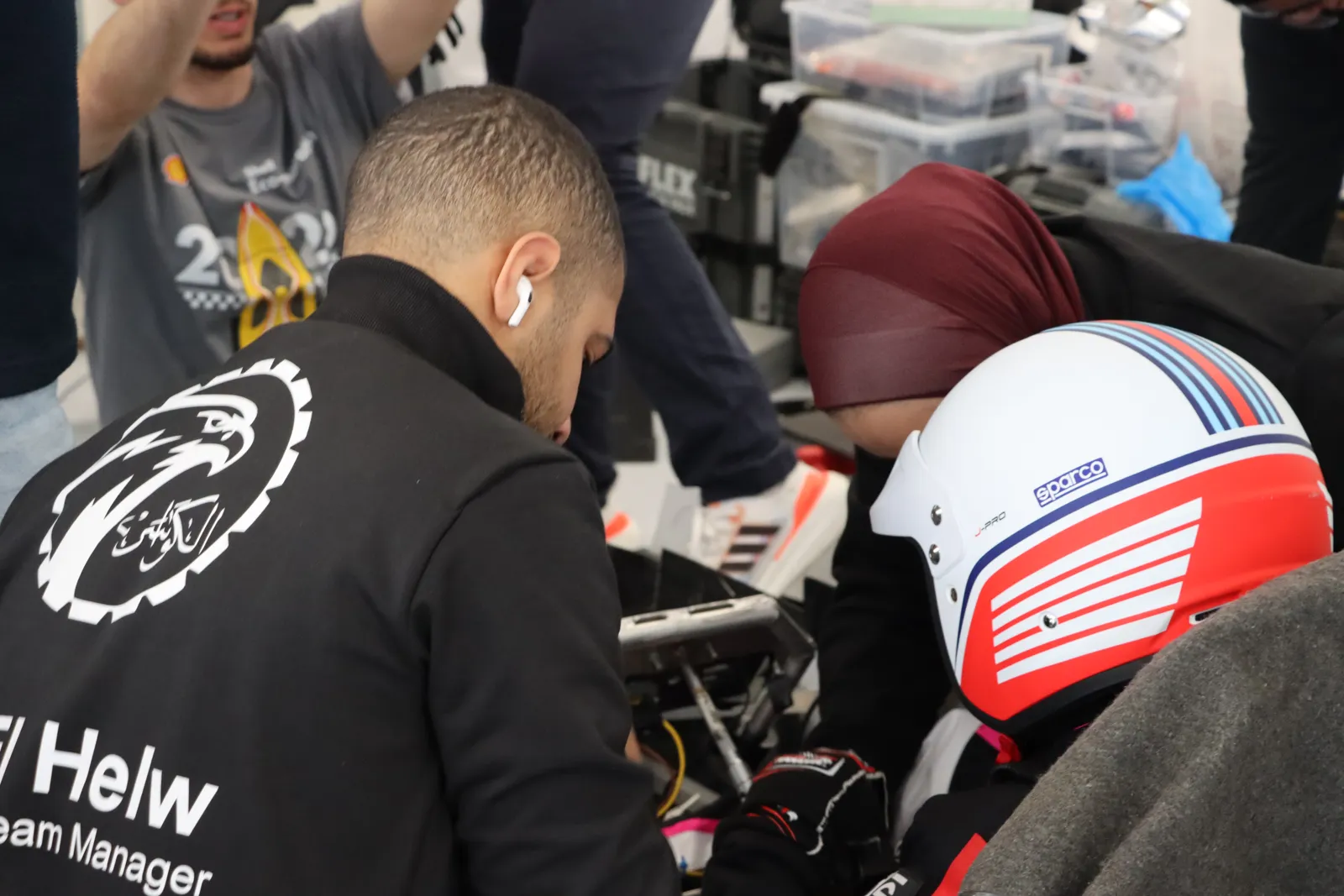
Pit lane · Lusail
Race day · Lusail
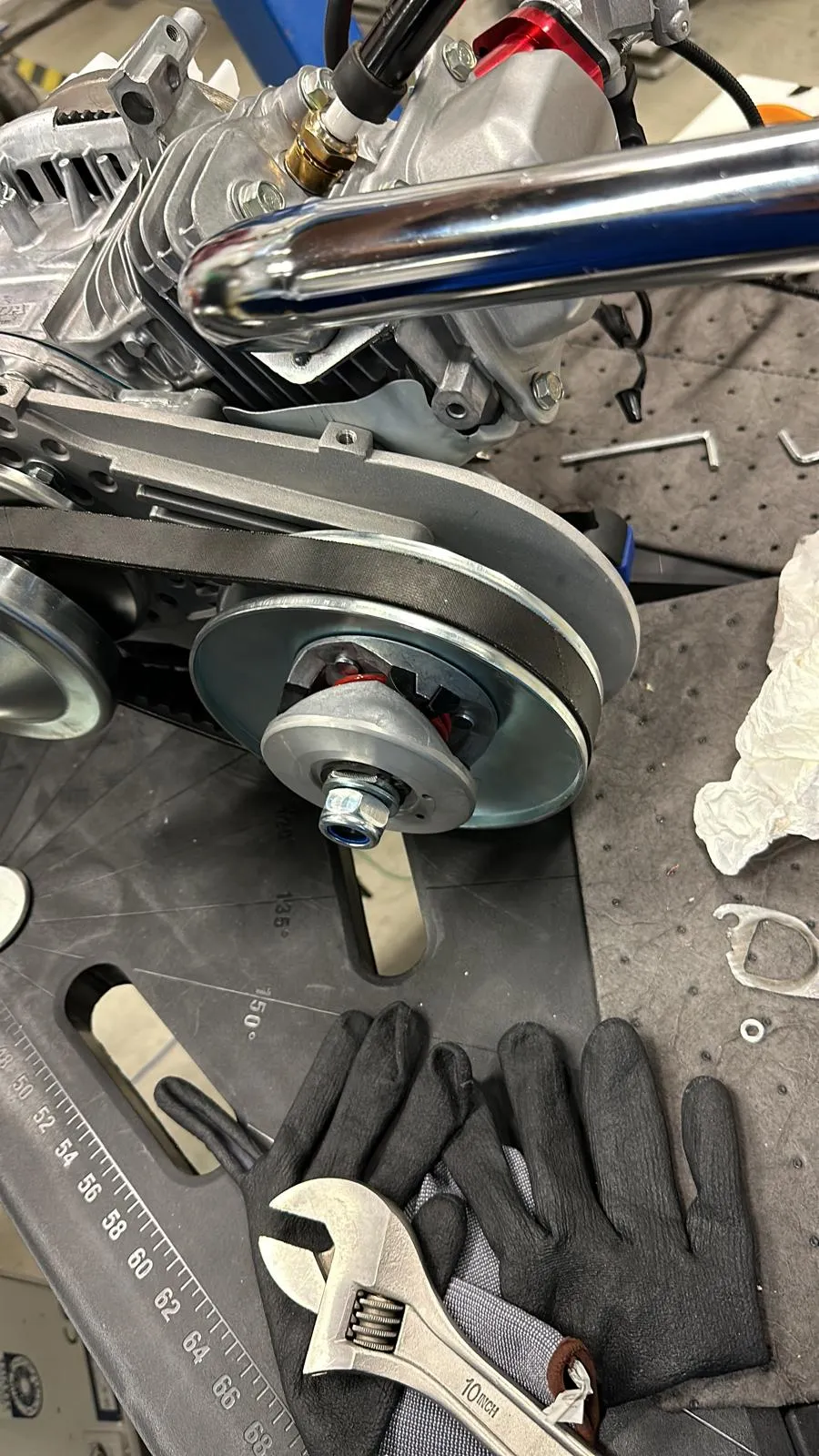
Urban Concept · CVT build
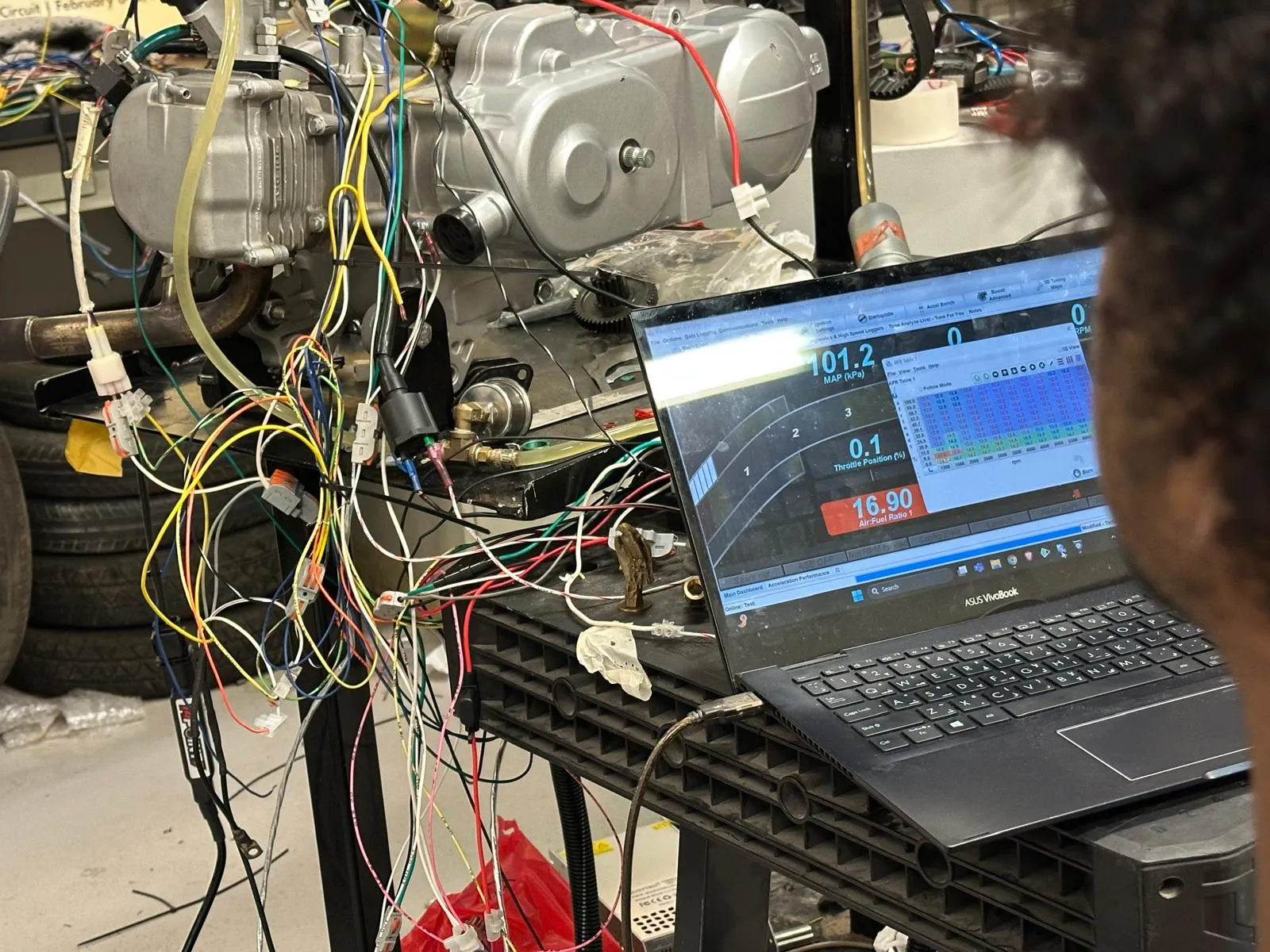
Urban Concept · EFI tuning
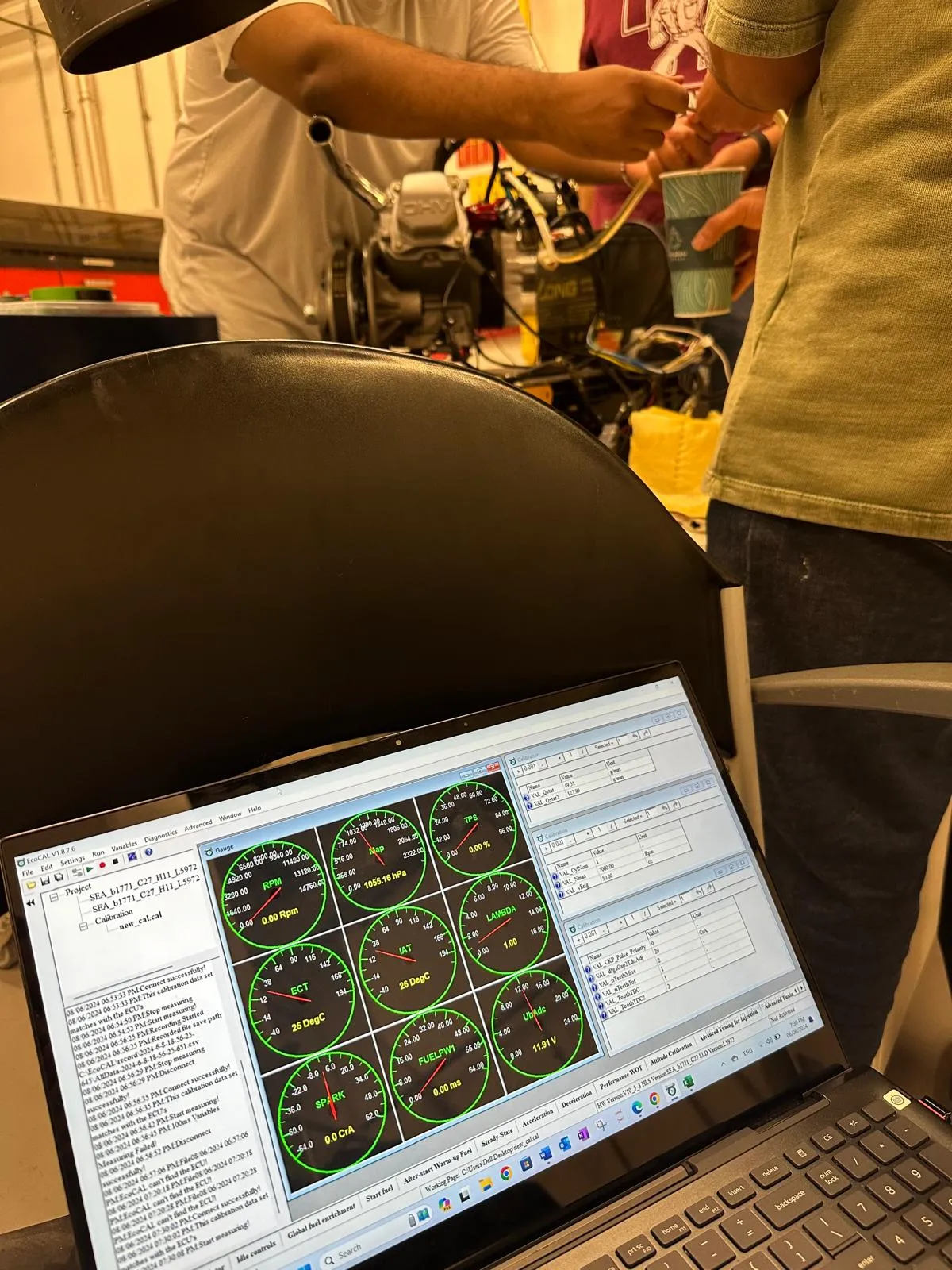
Urban Concept · live tuning
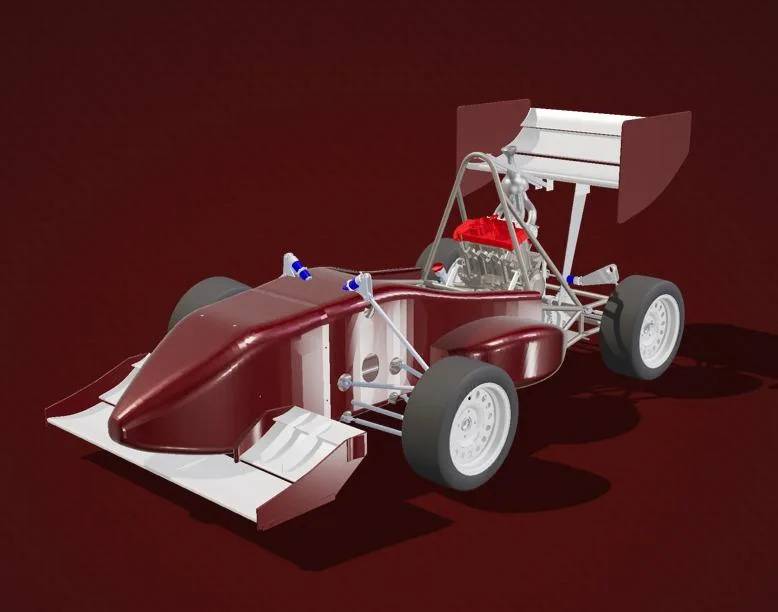
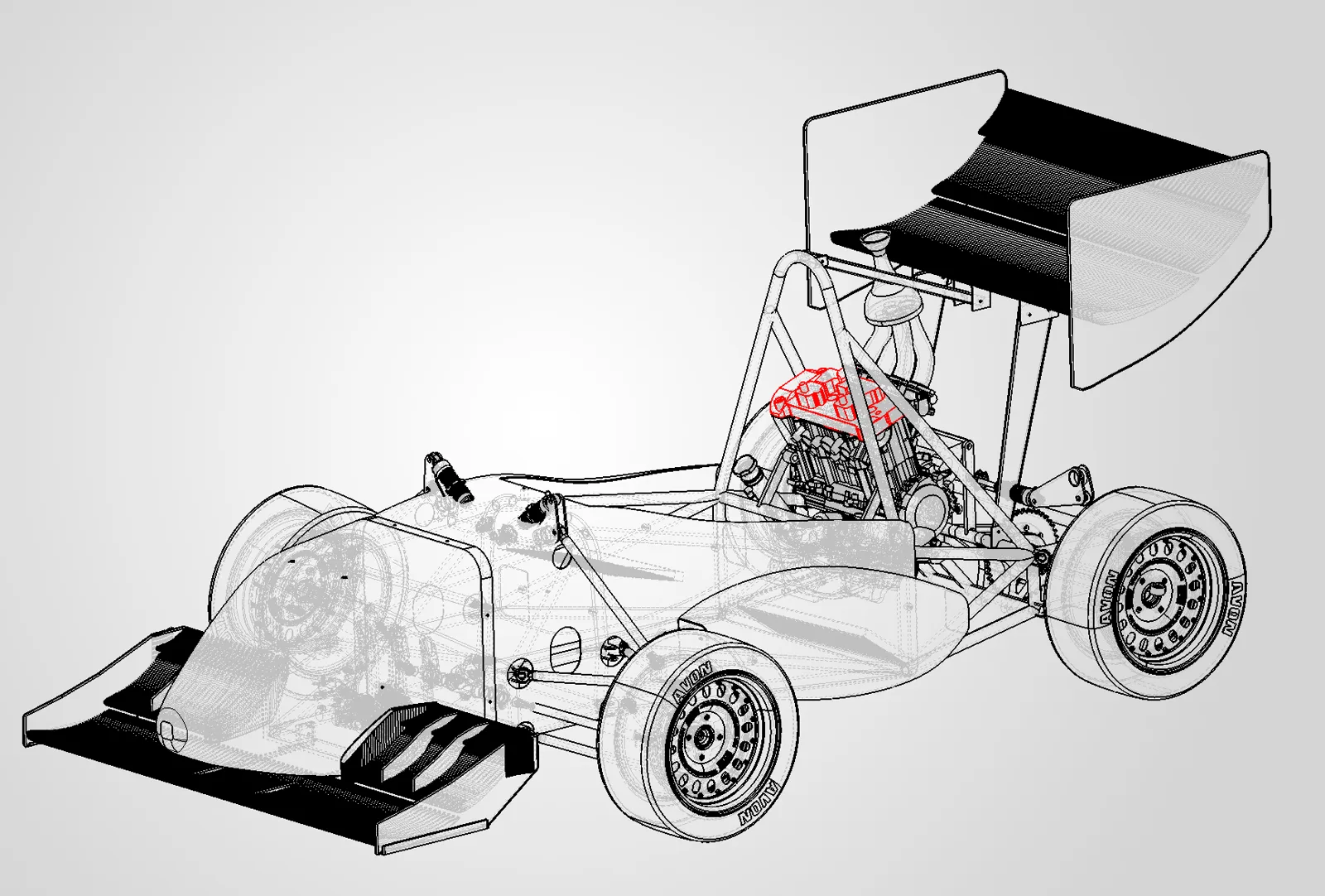
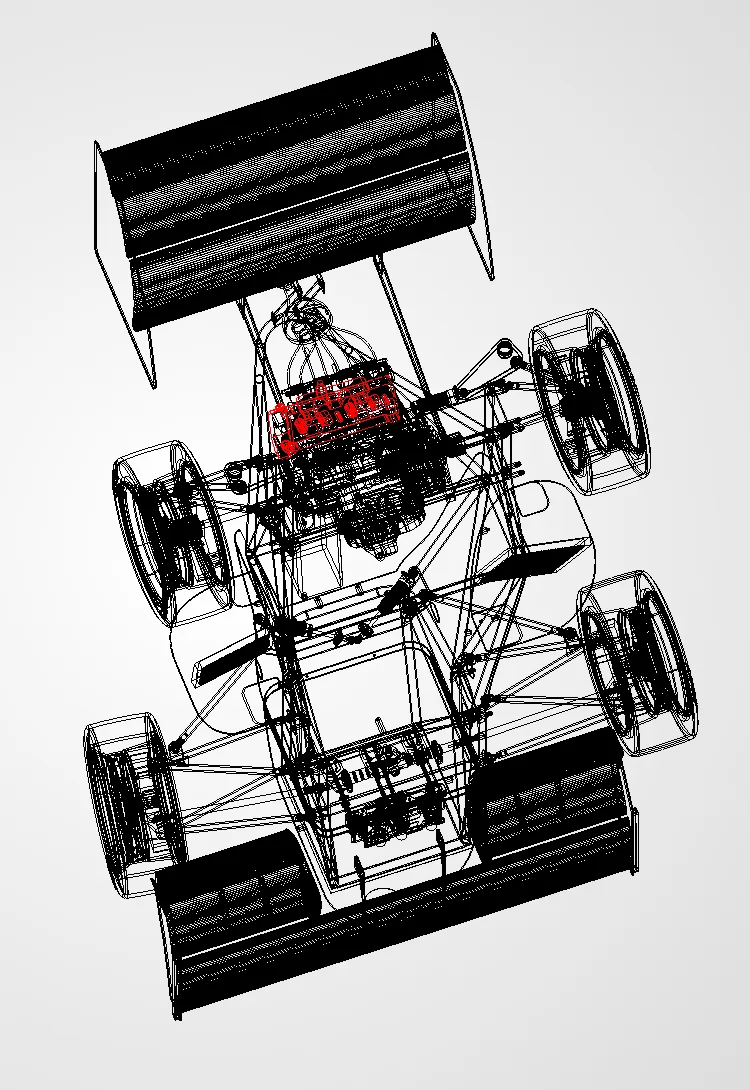
There was no Formula Student team in Qatar. So I started one. Oryx Racing is designing and building a combustion single-seater to compete at Formula Student 2027, and I run the programme: sponsors, suppliers, budget and design reviews.
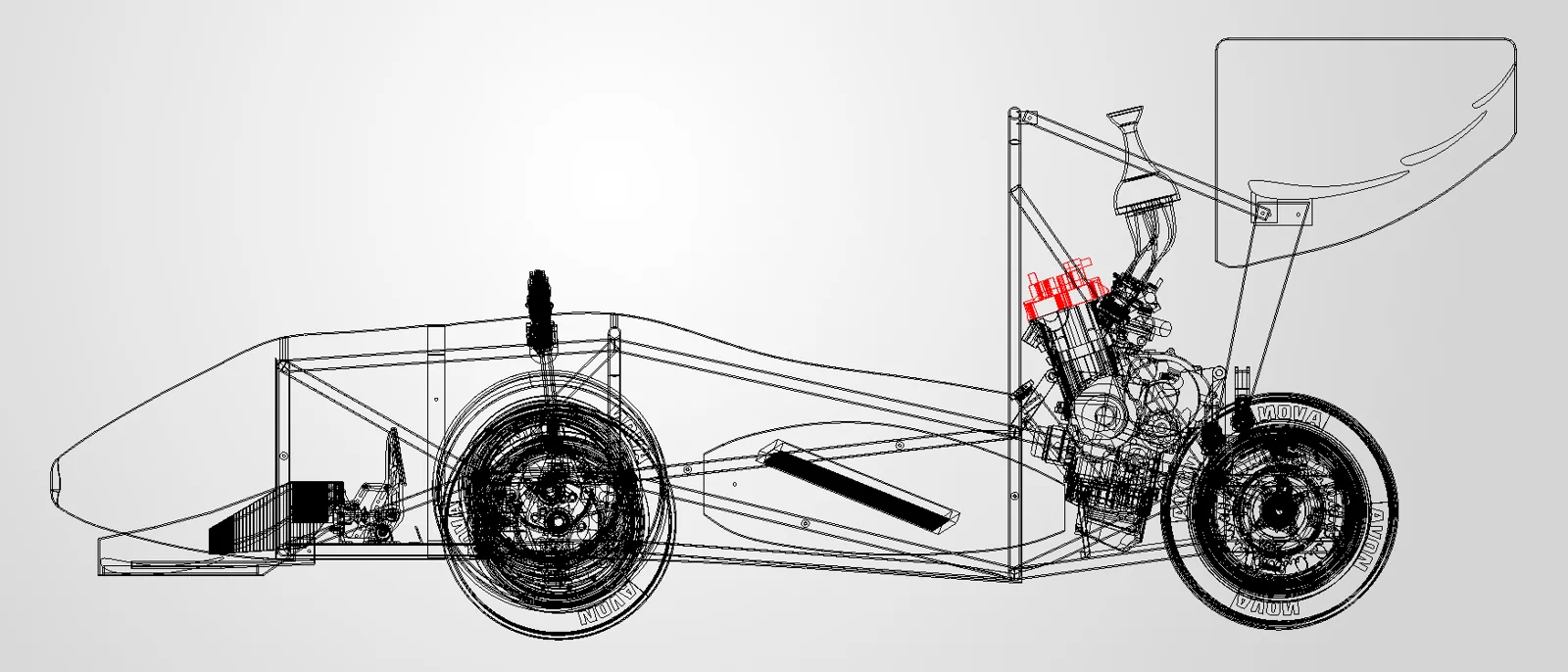
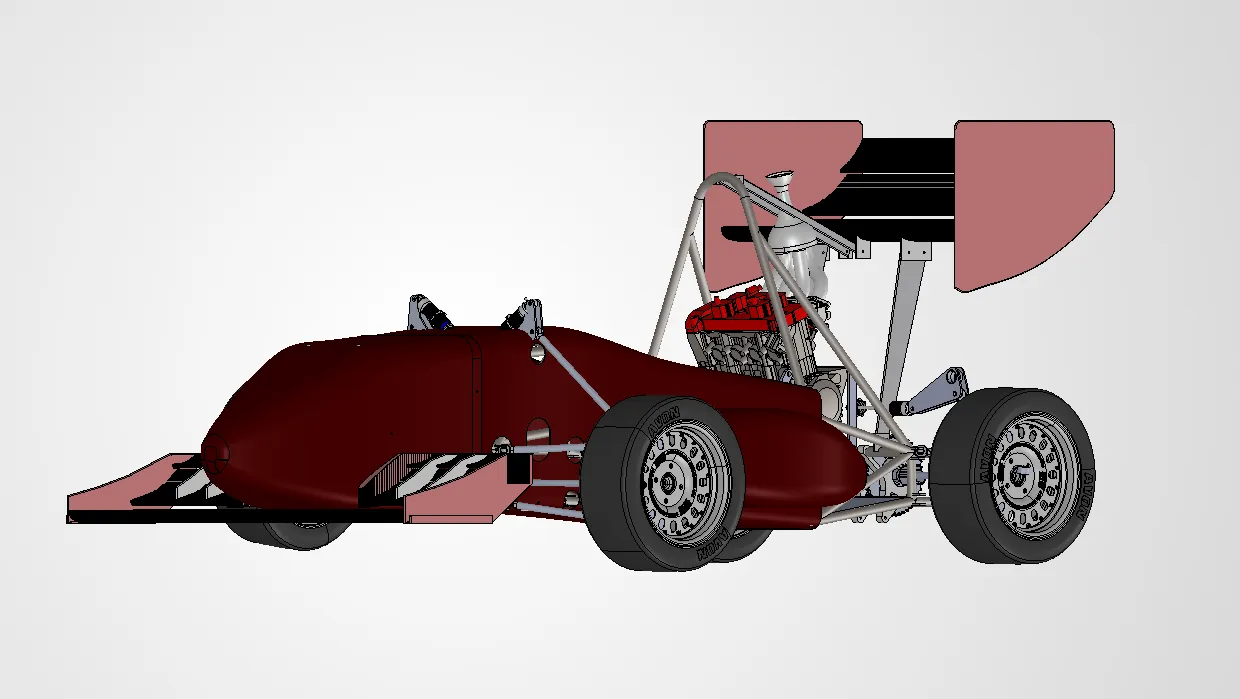
Full assembly · line render
Top · packaging
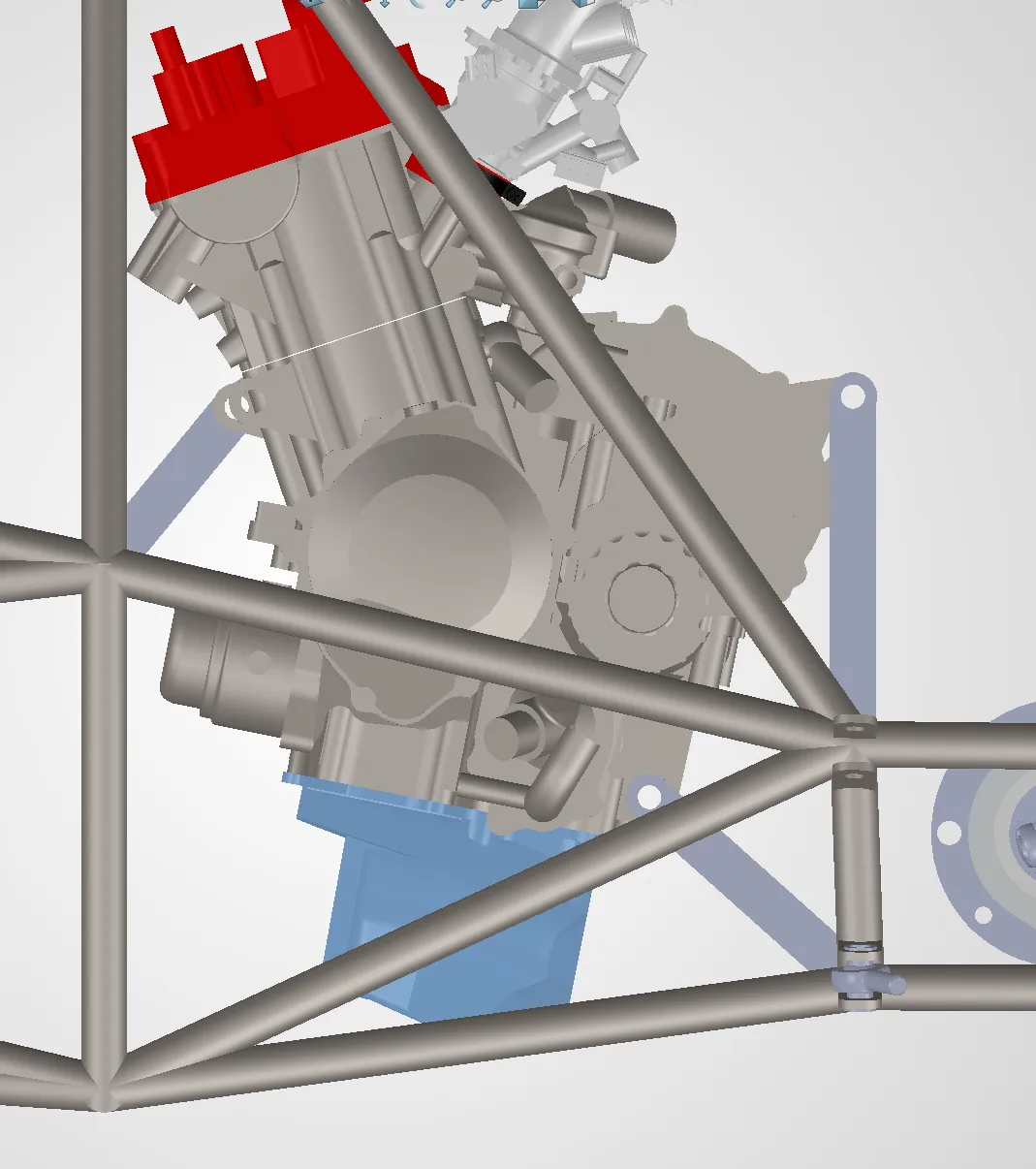
Engine in the frame · mounts & sump
Side · wheelbase, CoG, wing heights


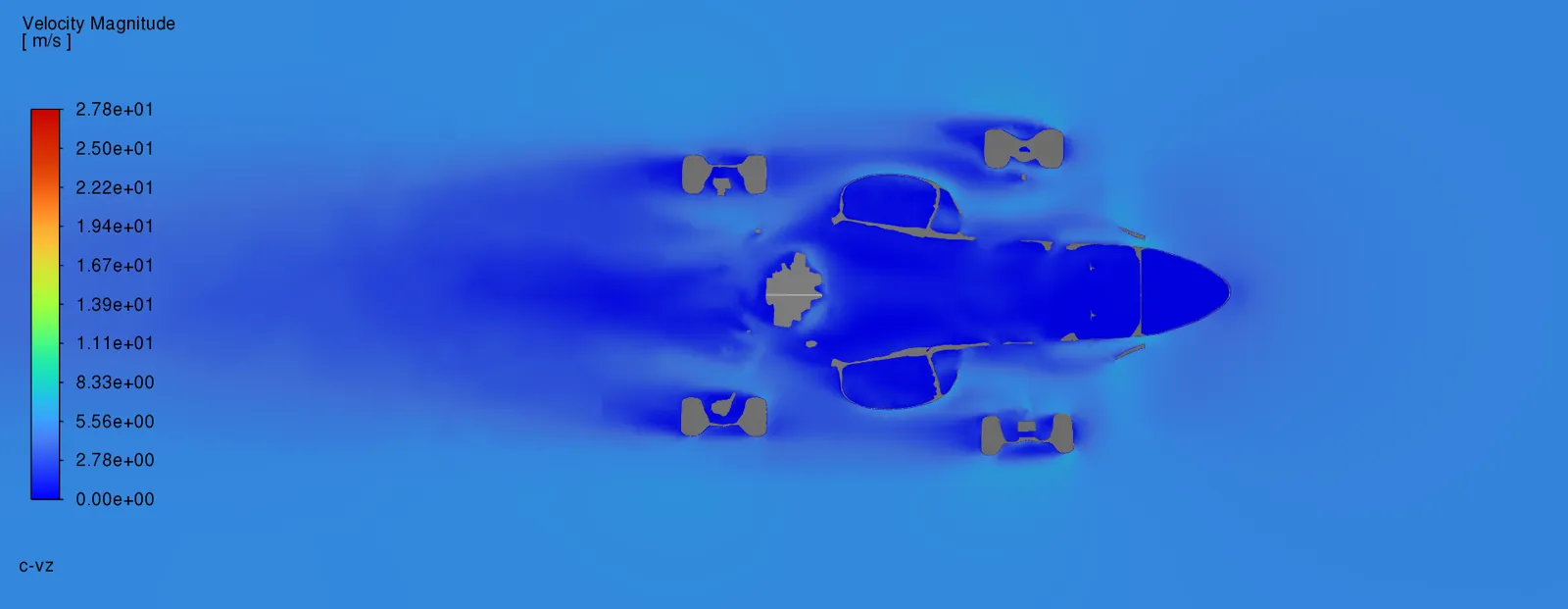
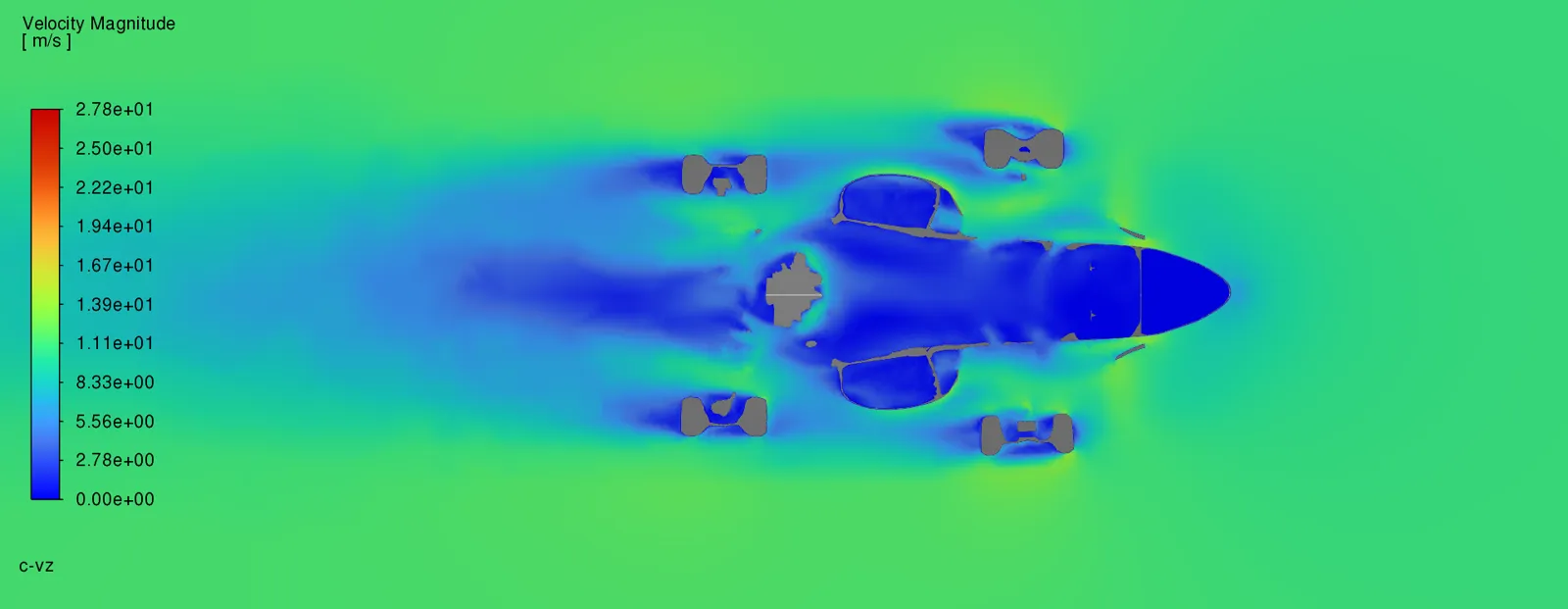
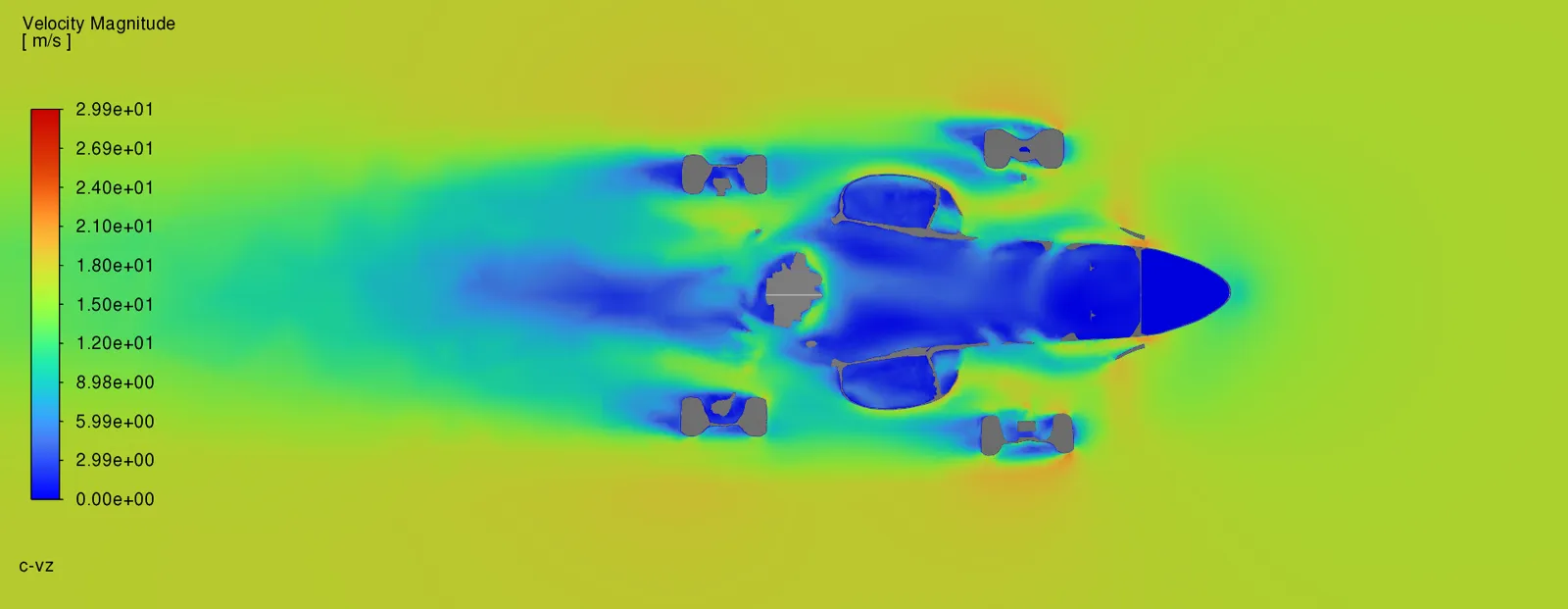
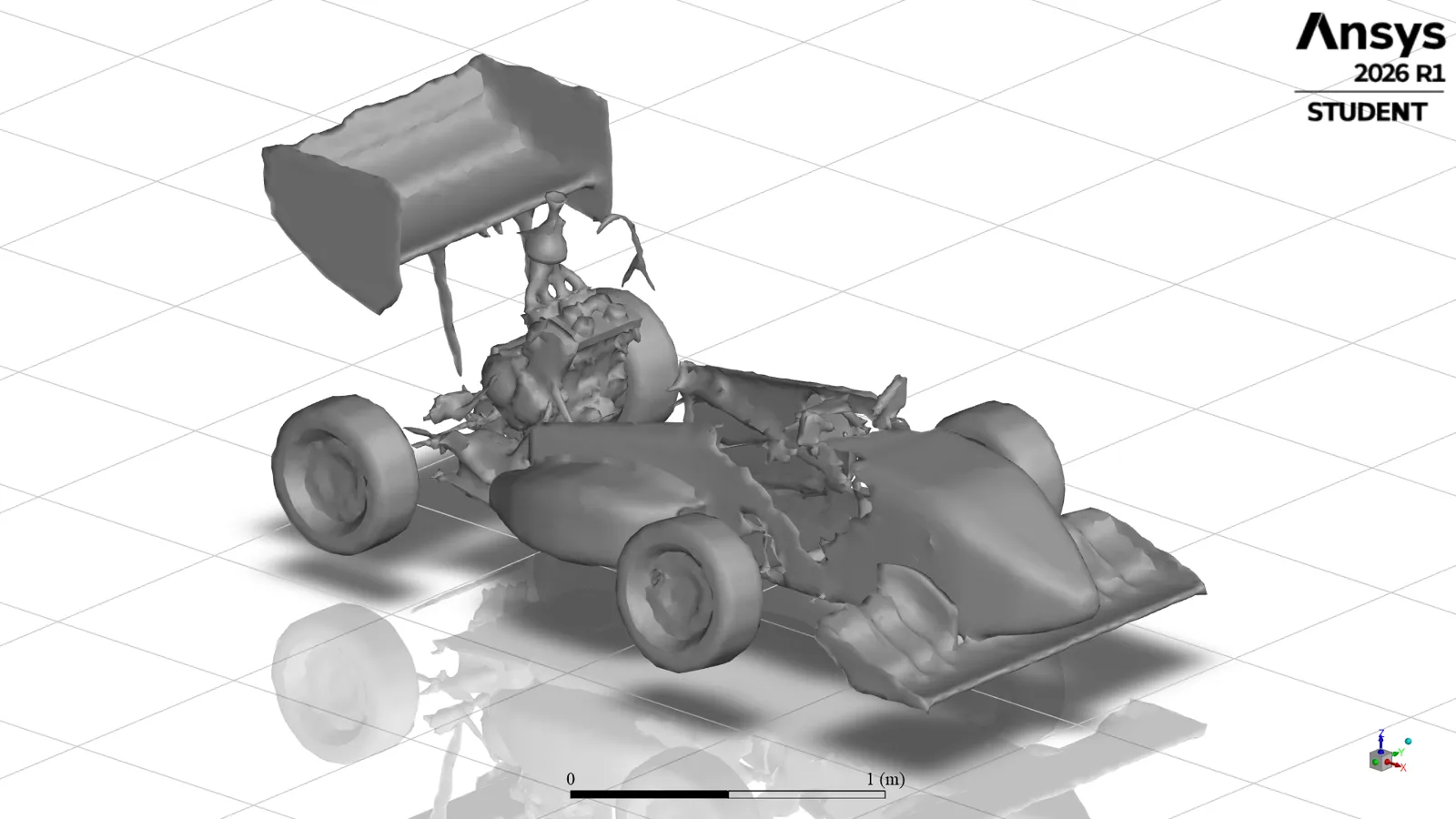
Drag the speed. The velocity field swaps to the matching run from my full-car CFD sweep; the readouts are computed live.
Sweep
P total
Pathlines
Velocity
Vectors
Mesh
1 · Full-scale wooden mock-up
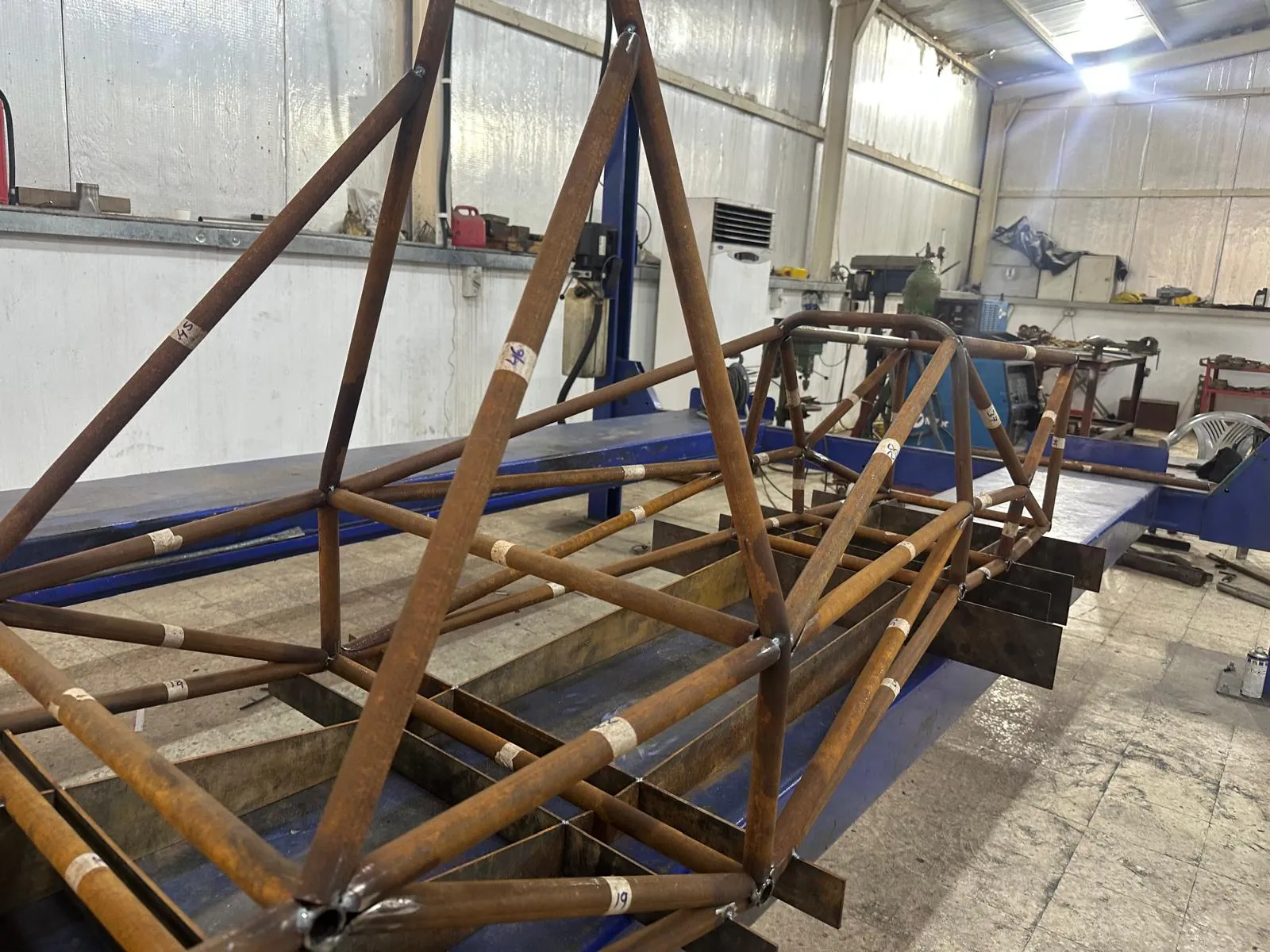
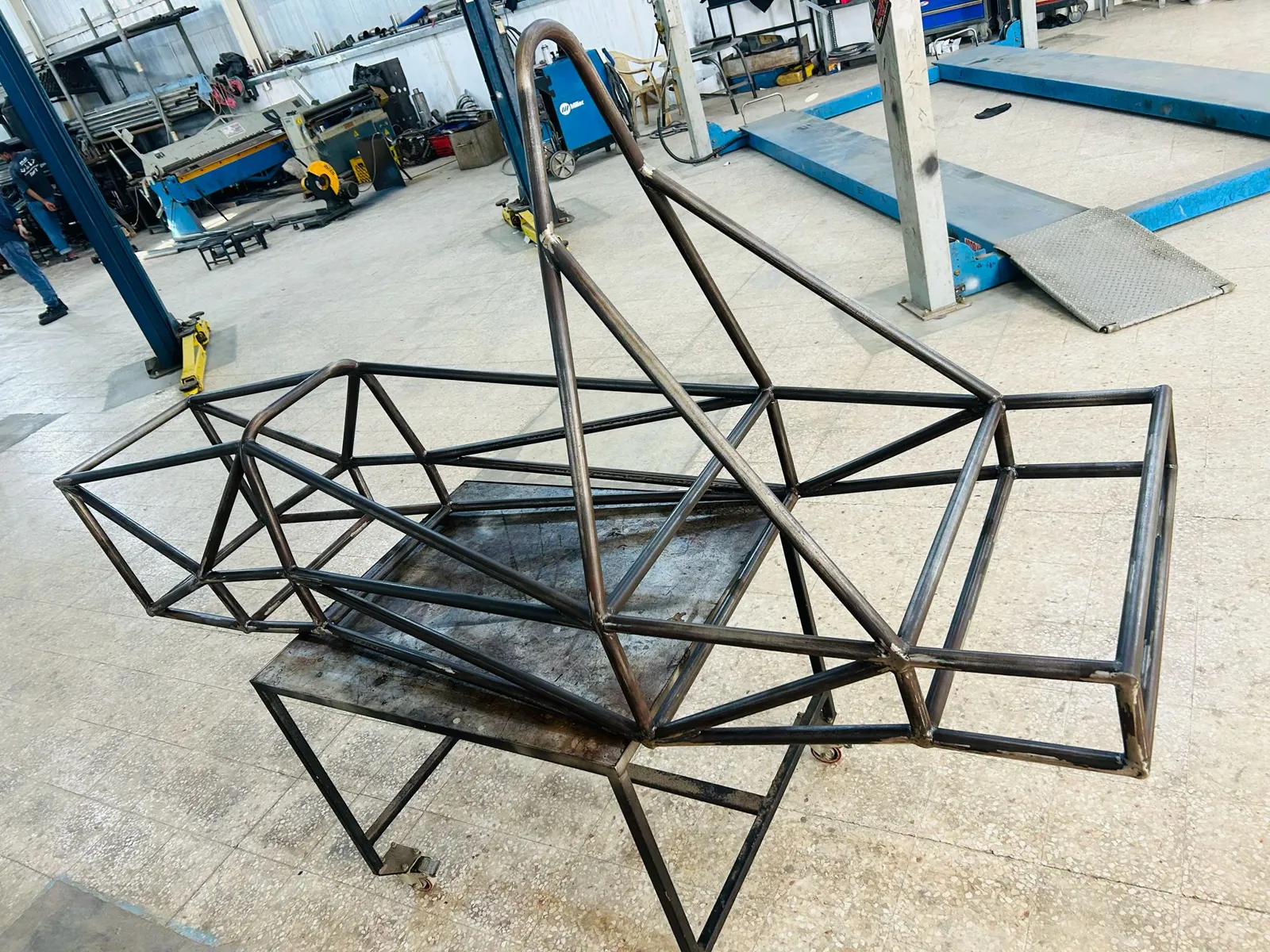
2 · Welded steel spaceframe
3 · Design freeze · DR3 render
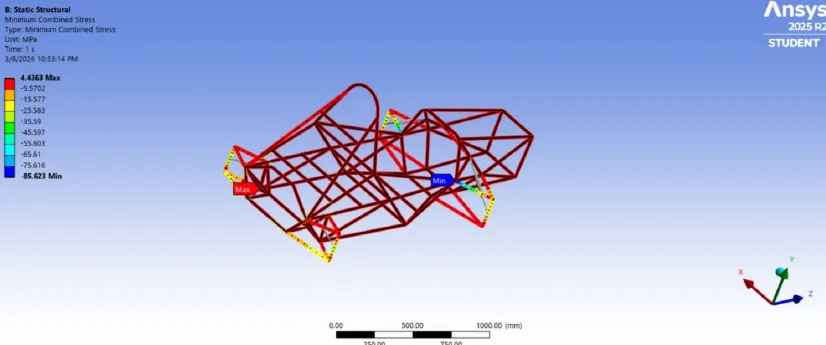
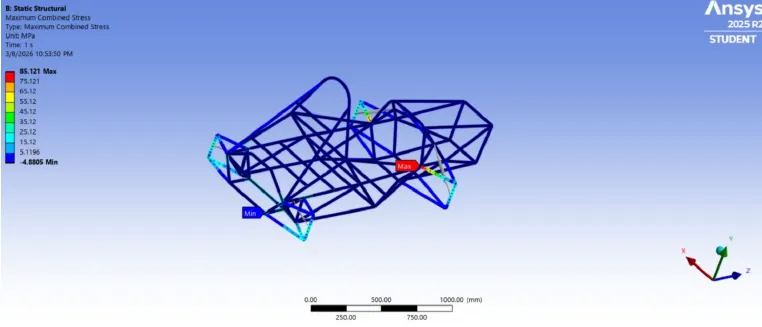
Chassis FEA · combined stress · Ansys
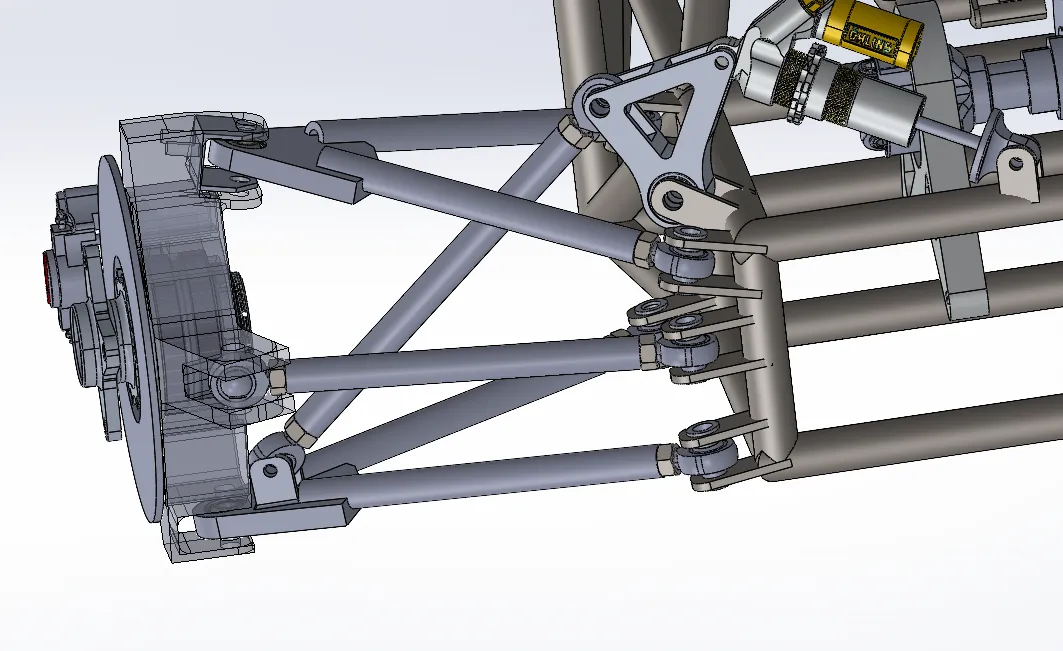
Suspension & uprights · SolidWorks
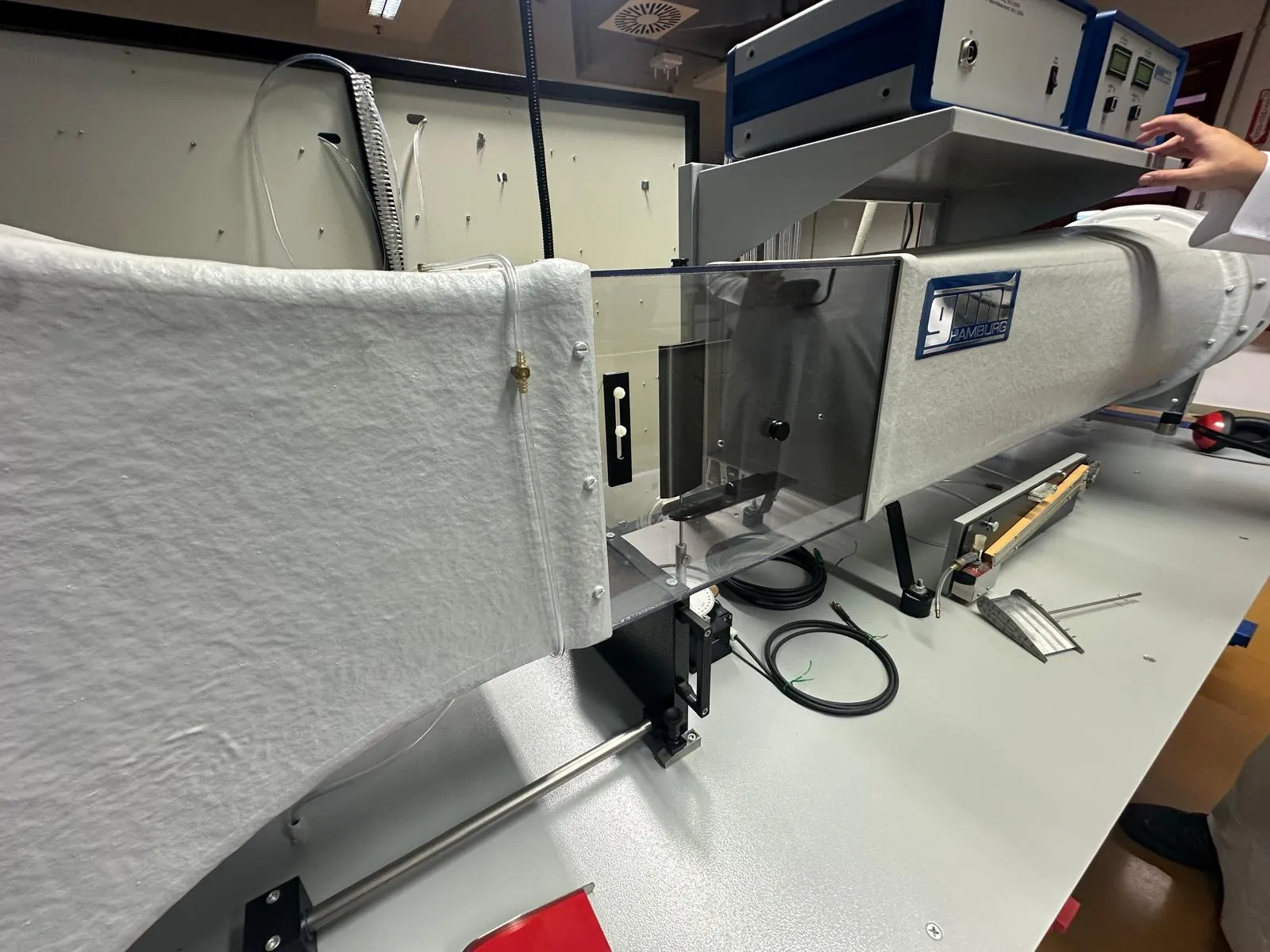
Wing section · wind-tunnel testSponsor outreach and negotiation with an engine supplier, a tuning partner and a composites manufacturer; BOM and budget ownership; DR1→DR3 design reviews delivered on schedule with four subsystem leads.
No alumni, no inherited car, no workshop tradition. Building the first team means writing the processes (procurement, safety, documentation) that the next ten years of students will use.
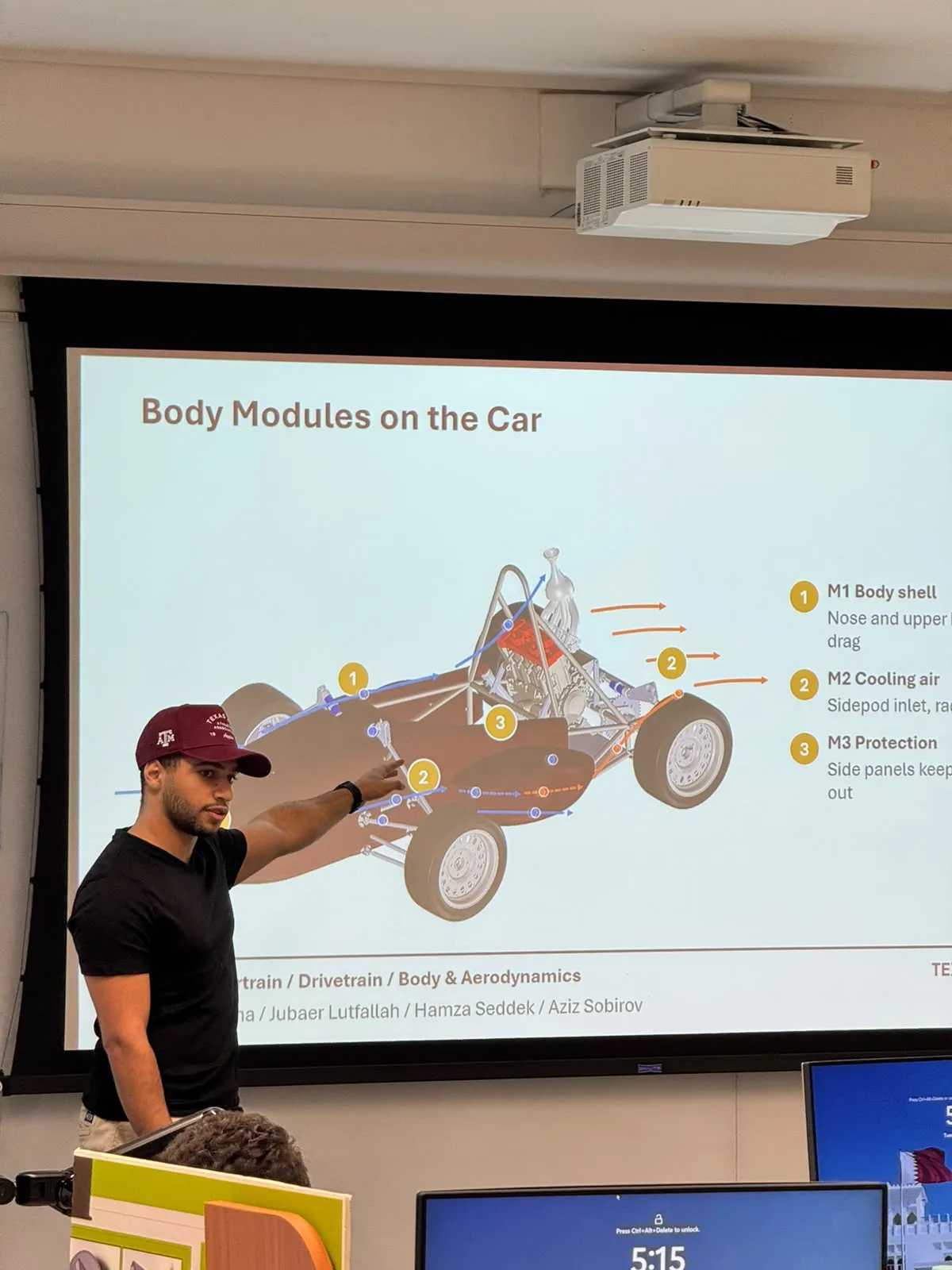
Design review · body & aero · TAMUQ
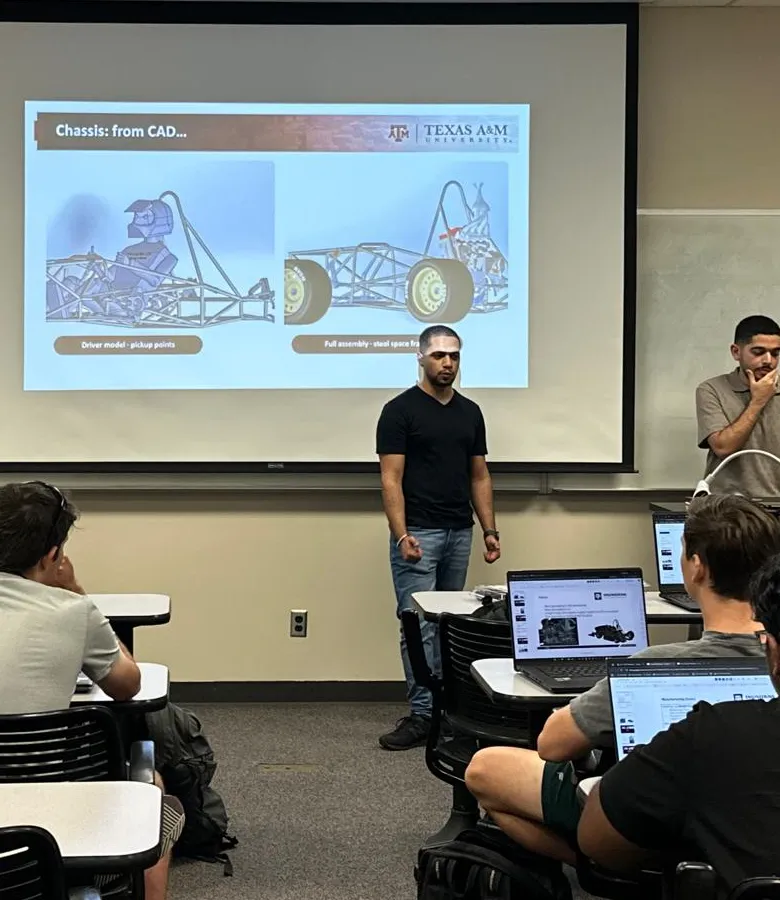
Presenting the chassis · Texas A&M, College Station, US
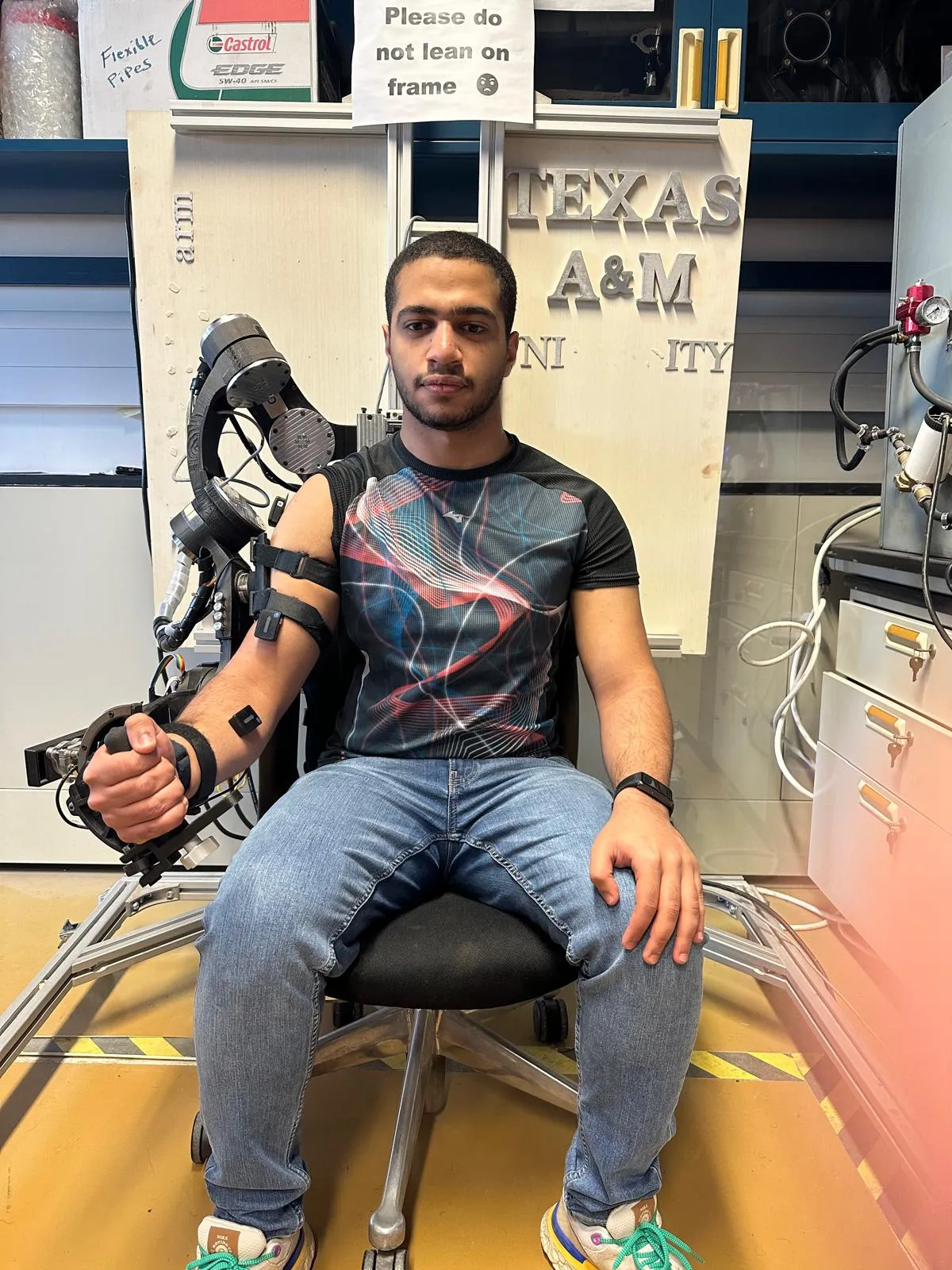
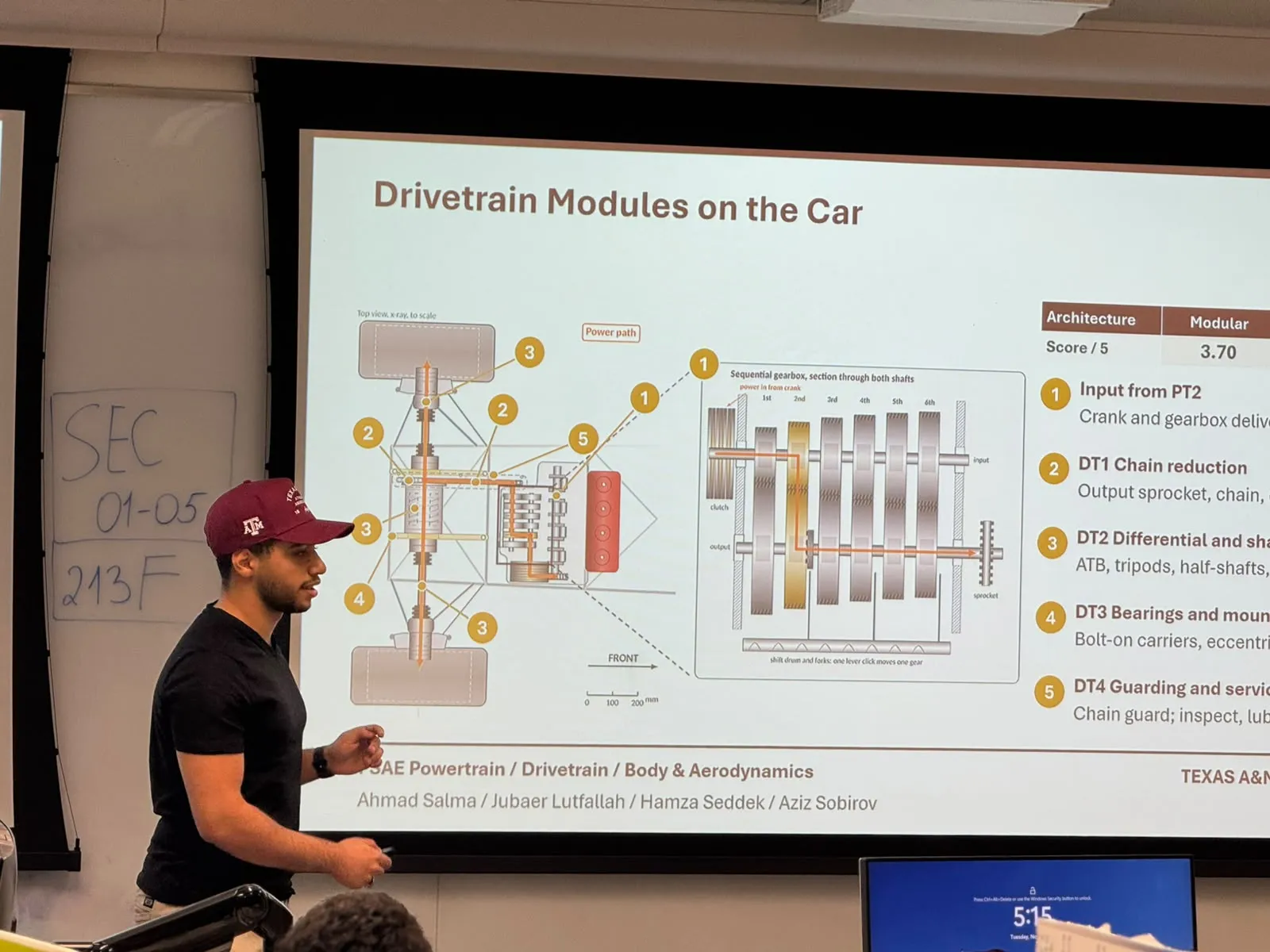
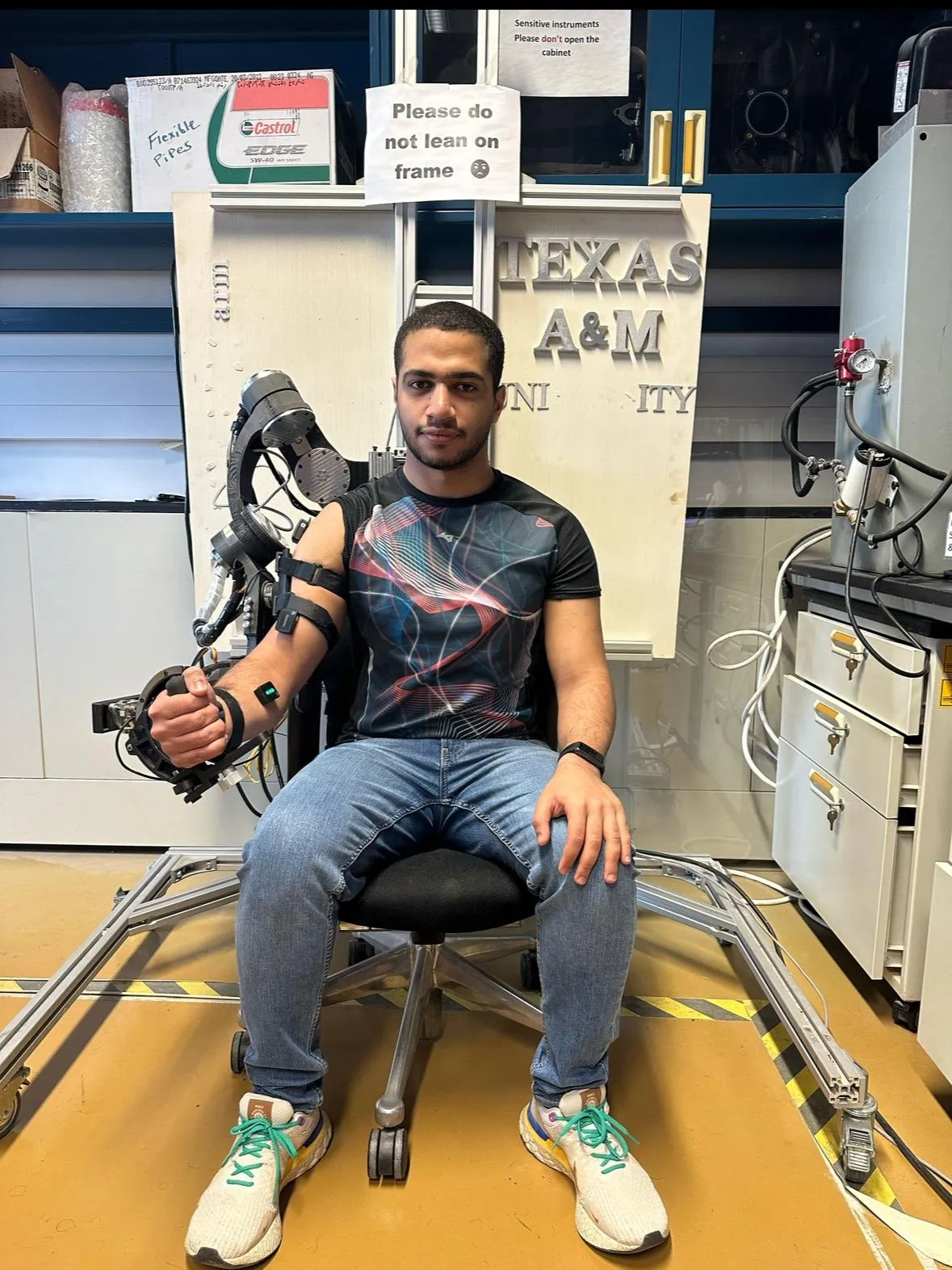
Design review · drivetrain · TAMUQAfter a stroke, patients struggle to move their own arm. Rehab exoskeletons can help, but only if they move with the patient, not after. We read muscle signals and predict the movement before it happens, so the exoskeleton assists at exactly the right moment.
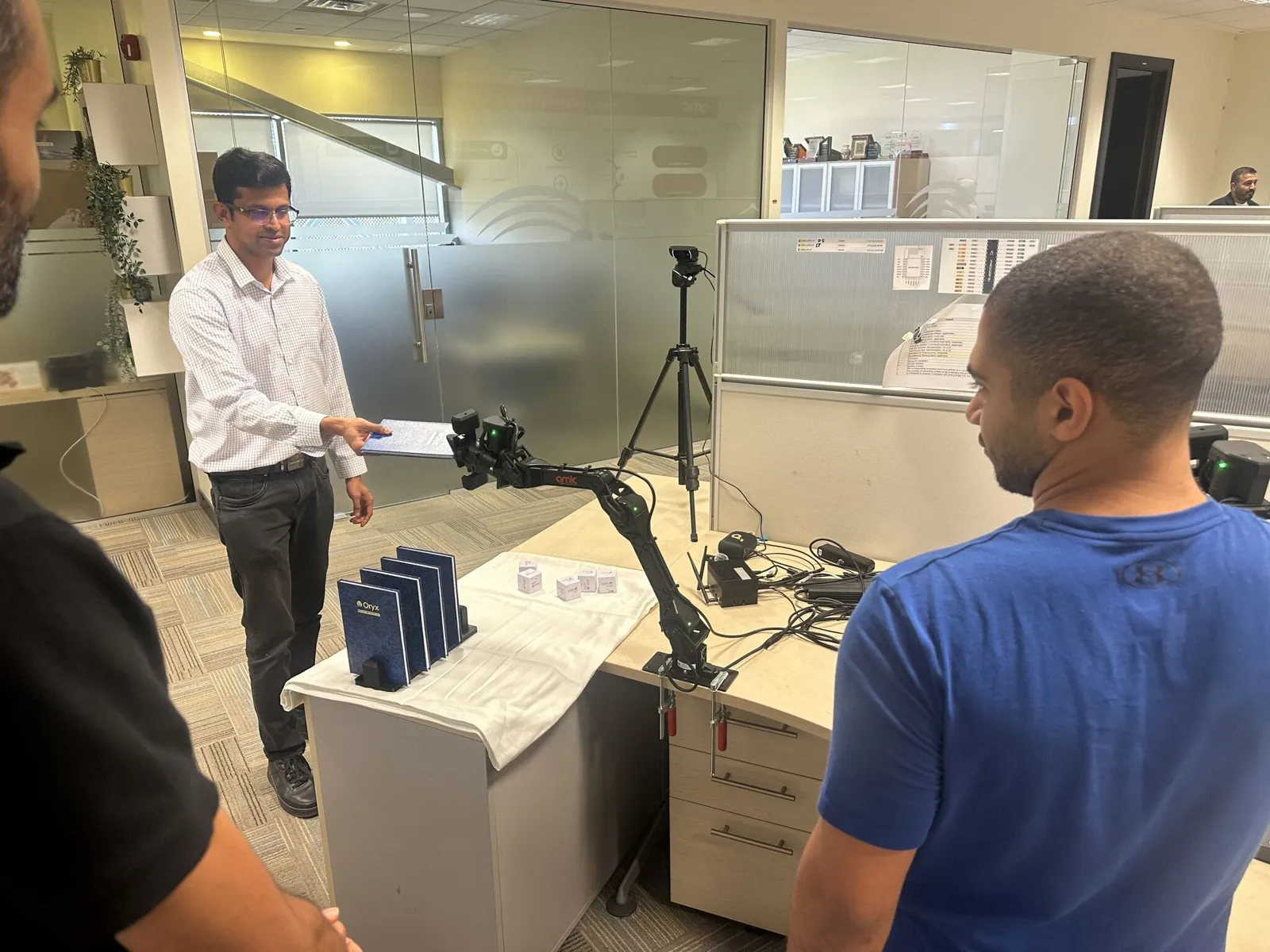
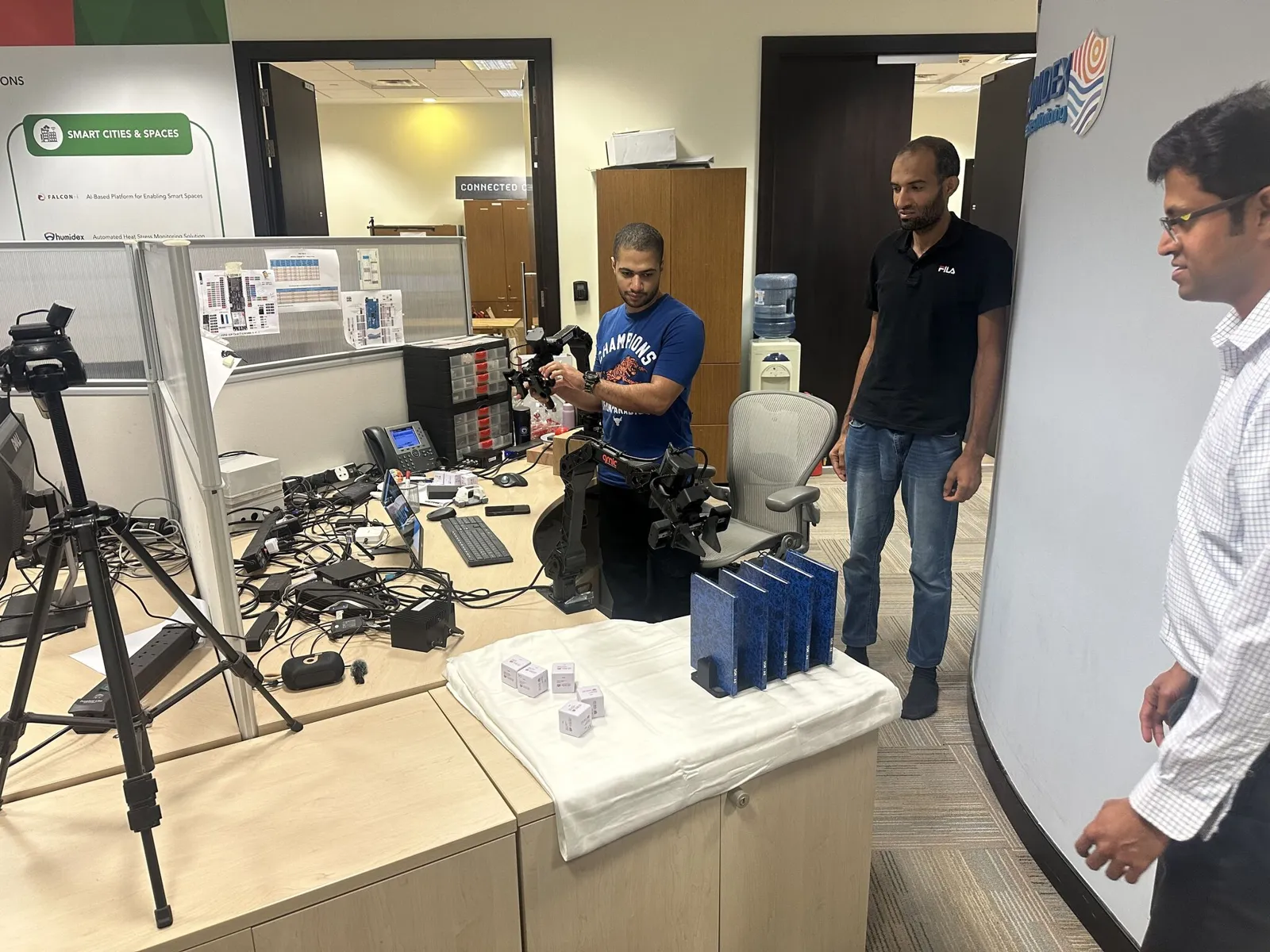
Exoskeleton rigBuilt the perception and control stack for a Trossen robotic arm: computer vision, vision-language-action models, text-to-speech, motion planning and control, then tested autonomous behaviours end to end in a research setting. The same skills carry straight into race-day AI, telemetry analysis and autonomous test rigs.
Gripper & camera setup
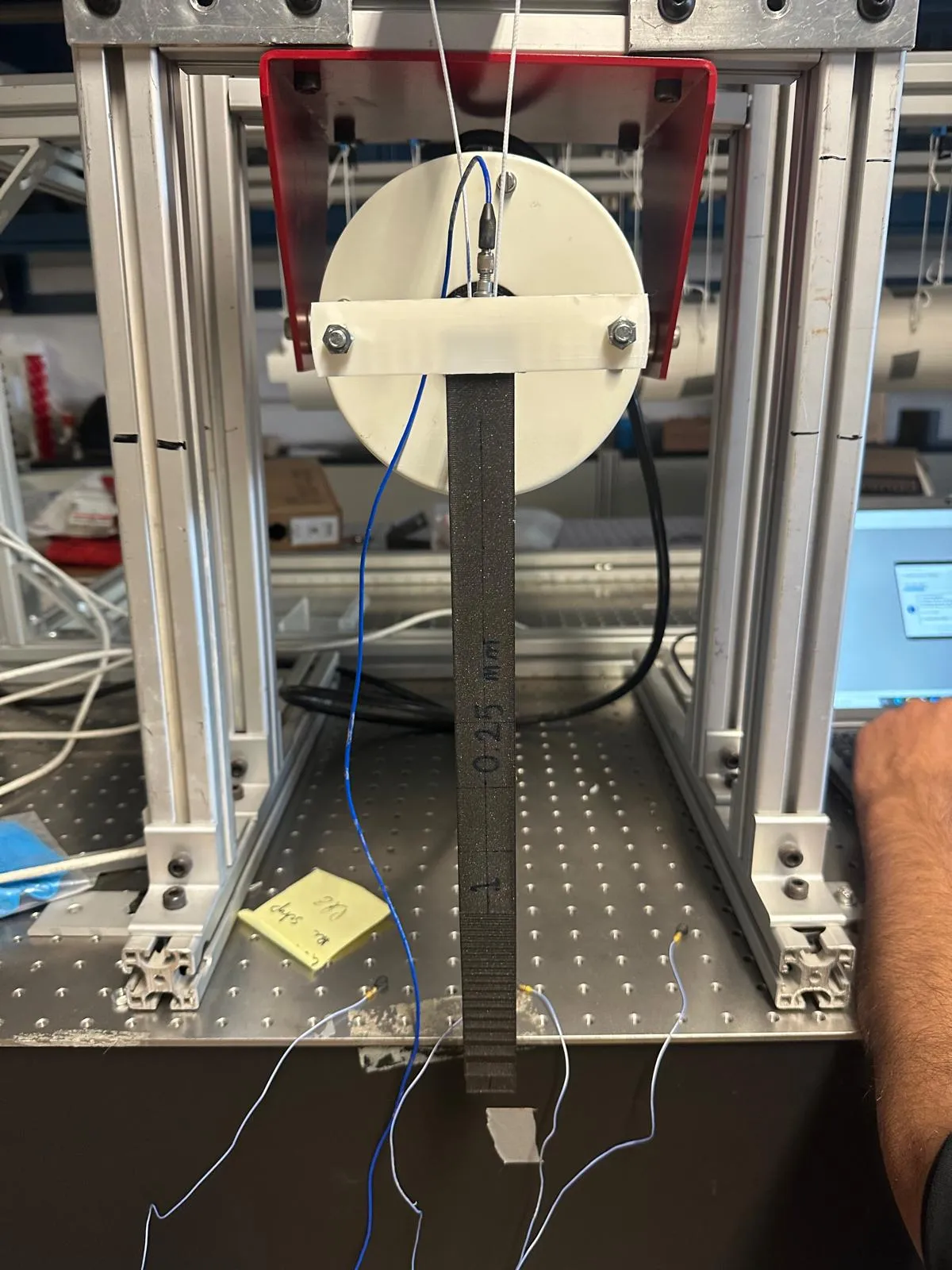
Autonomous handover demoA power-law tapered beam, h(x) = εx², designed and printed in FDM and resin to trap flexural waves at the tip and suppress structural vibration with zero added damping mass, measured on a laser-vibrometer rig I set up myself.
ABH beam · vibration rigPeers send me their SolidWorks problems. The university pays me to teach it. The toolbox, by name.

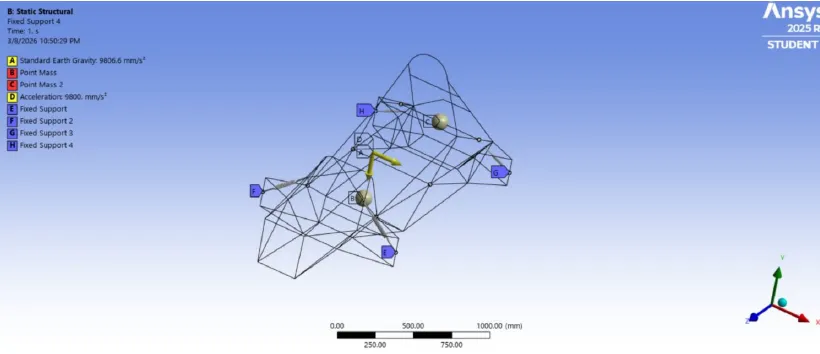
Beam model with driver and engine as point masses, 1 g gravity plus a 1 g acceleration case, fixed at the four suspension pickups.

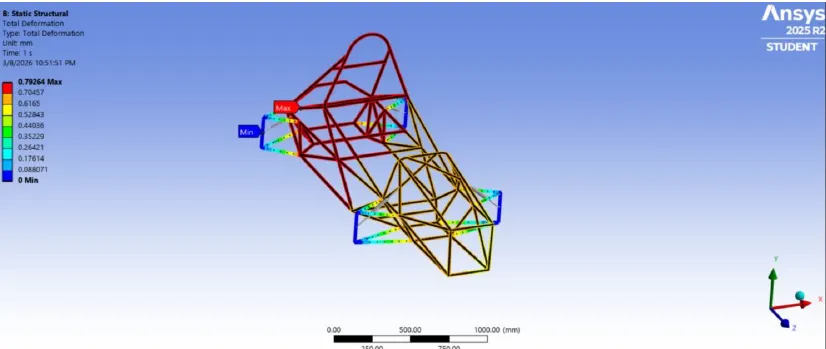
Beam-element model of the full steel spaceframe: deformation, direct and combined stress under the suspension load case; stiffness per kg drove the tube layout.

Max/min combined (axial + bending) stress per member. Peaks at the suspension pickups, well under yield for 4130 tube.

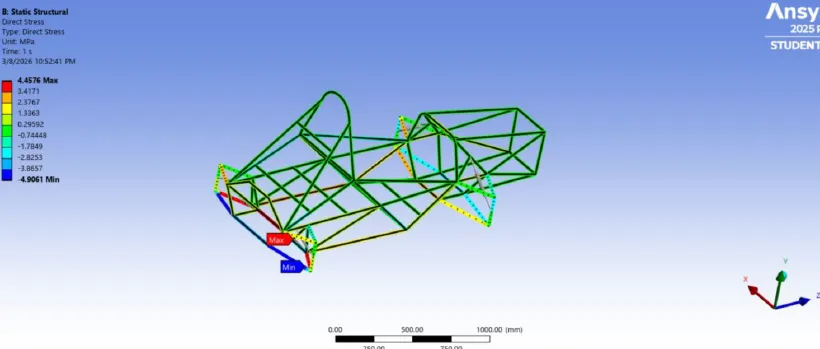
Axial stress per member to find which tubes actually work and which are dead weight.

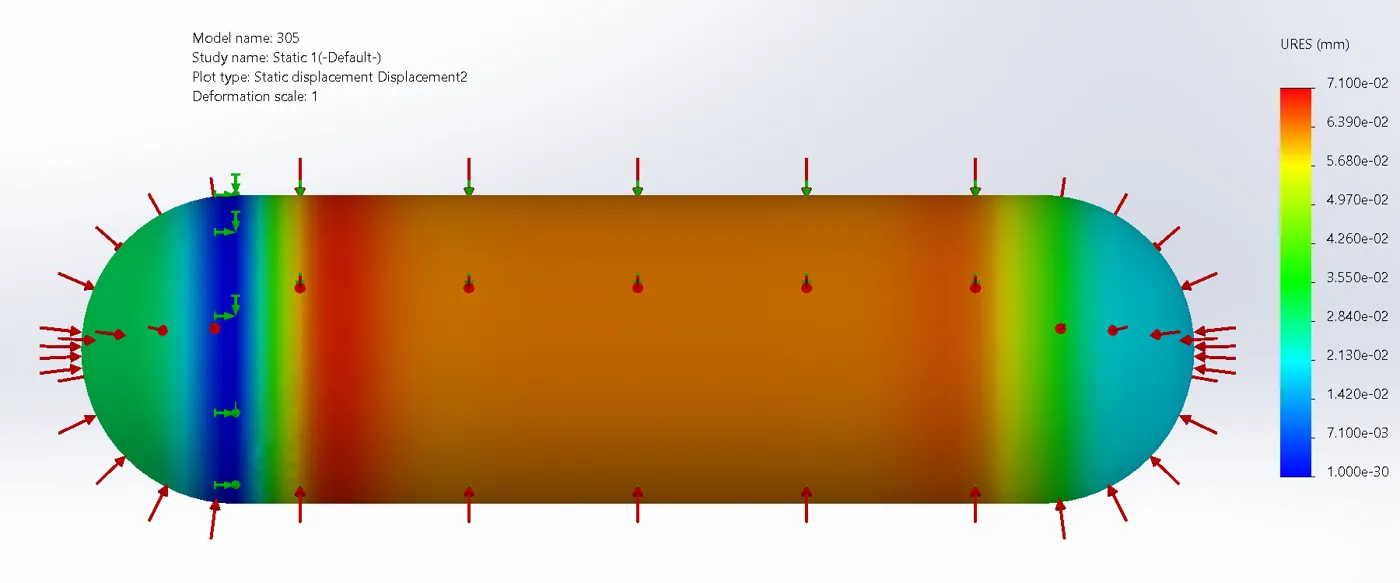
Sophomore-year competition entry: 6061-T6 vessel under 2.5 MPa internal pressure, static + linear buckling in SolidWorks Simulation.
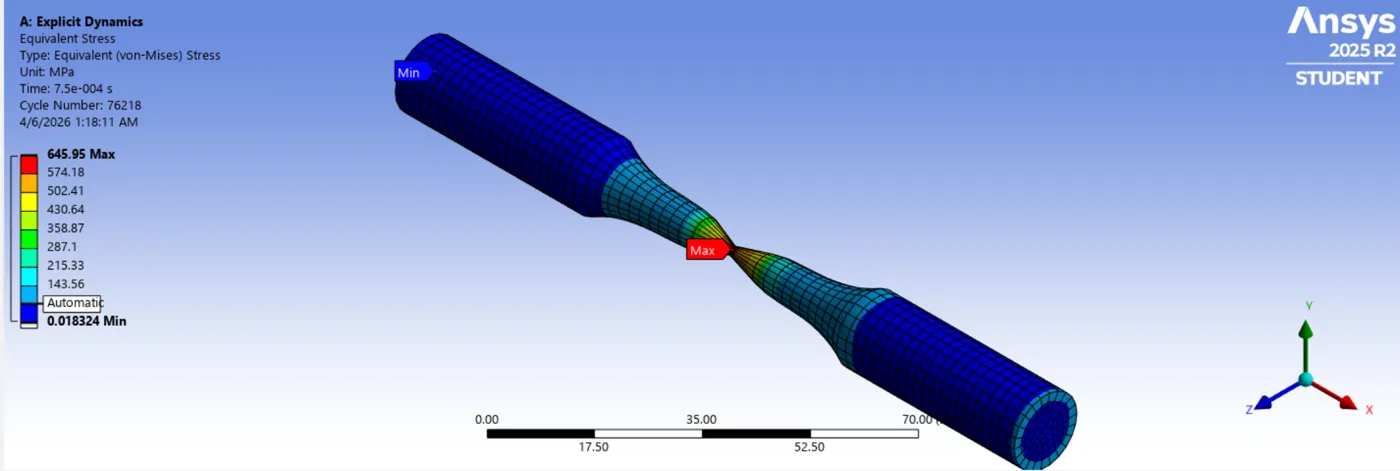
Explicit Dynamics to failure. Von Mises peaks at the neck, safety factor drops below 1 exactly where the specimen fails.

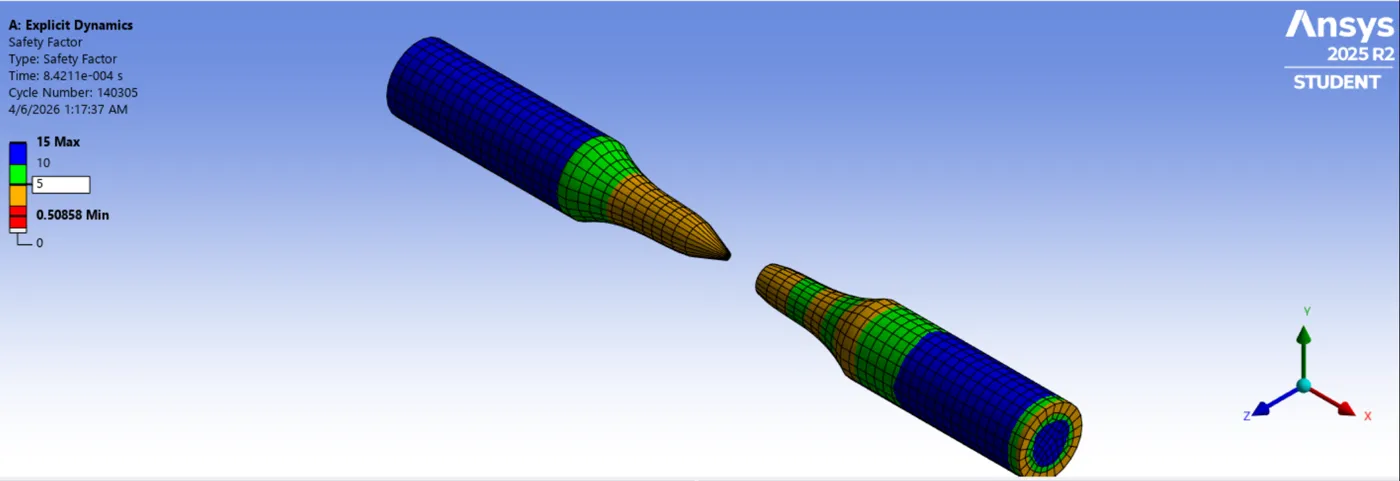
Transient impact separation tracked over 140 k cycles, min/max/avg safety factor logged per step.
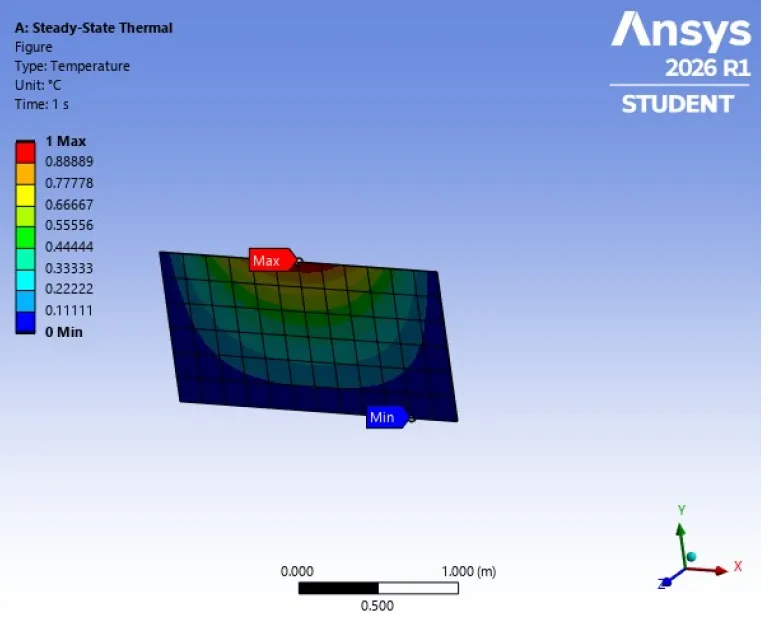
2 × 1 m plate, T = sin(πx/2) on the top edge. FEA temperature and flux checked against the closed-form series solution.

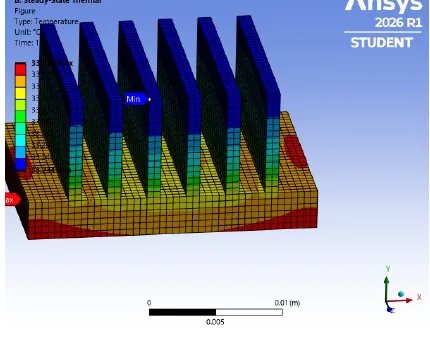
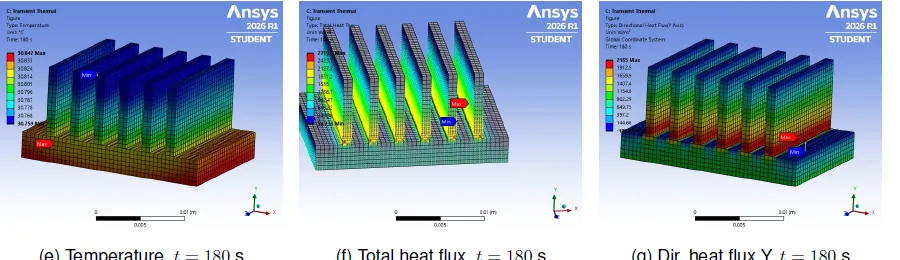
1000 W/m² on the base, h = 30 W/m²·°C convection on the fins: temperature and directional flux through the fin roots.

Square-wave flux over 180 s with adaptive time-stepping (0.05–5 s) to catch the 0↔1000 W/m² jumps without smearing.

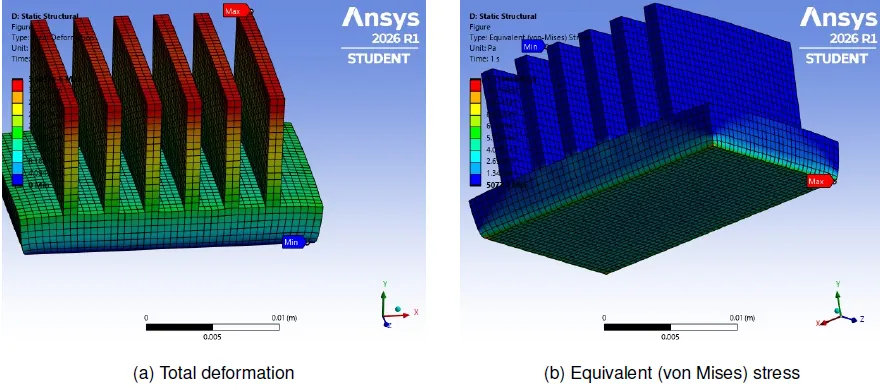
Steady-state temperature load with a fixed base; deformation and von Mises checked against yield.

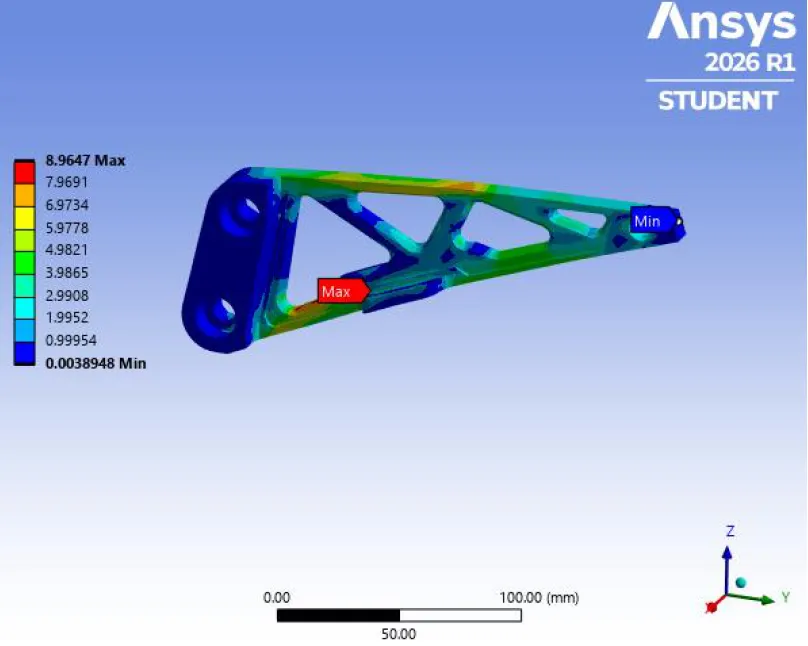
Lightweight truss bracket. Stress paths follow the optimised webs, deformation stays sub-0.1 mm.

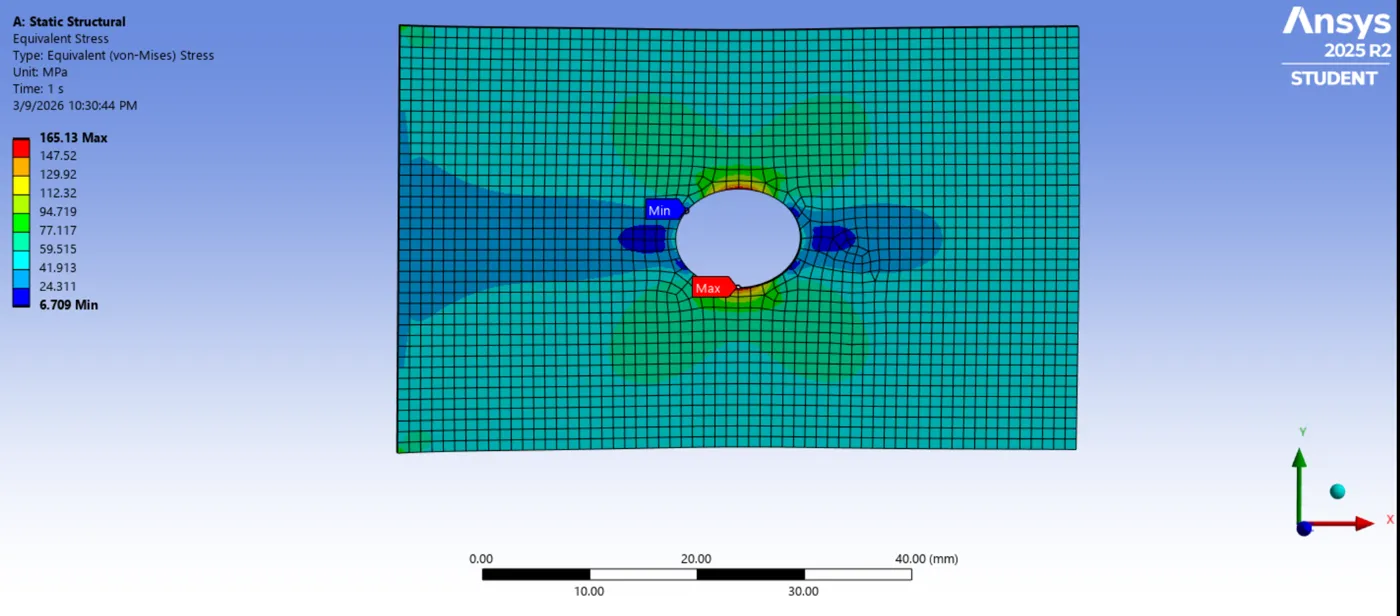
Plate with a hole: von Mises vs maximum principal, mesh refined at the notch until Kt converged.

Simply supported beam: deflection, normal and shear stress compared with hand calcs and SAP2000 moment diagrams.

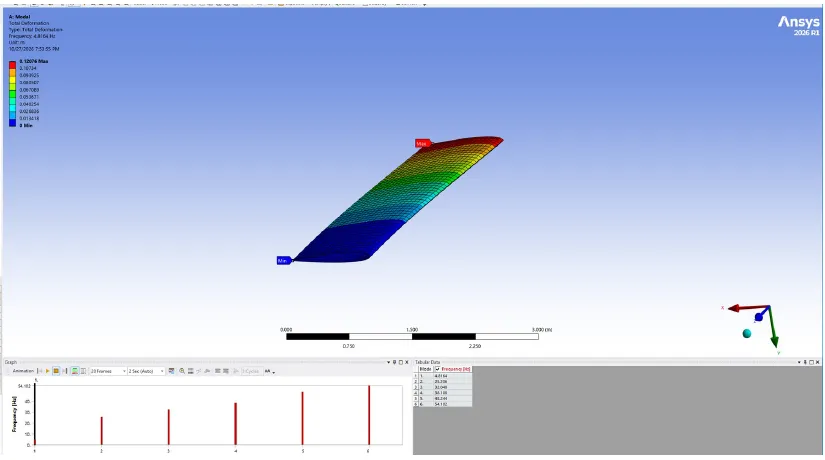
Wing-like surface, 20 × 50 shell mesh, first six modes with mesh-convergence study.

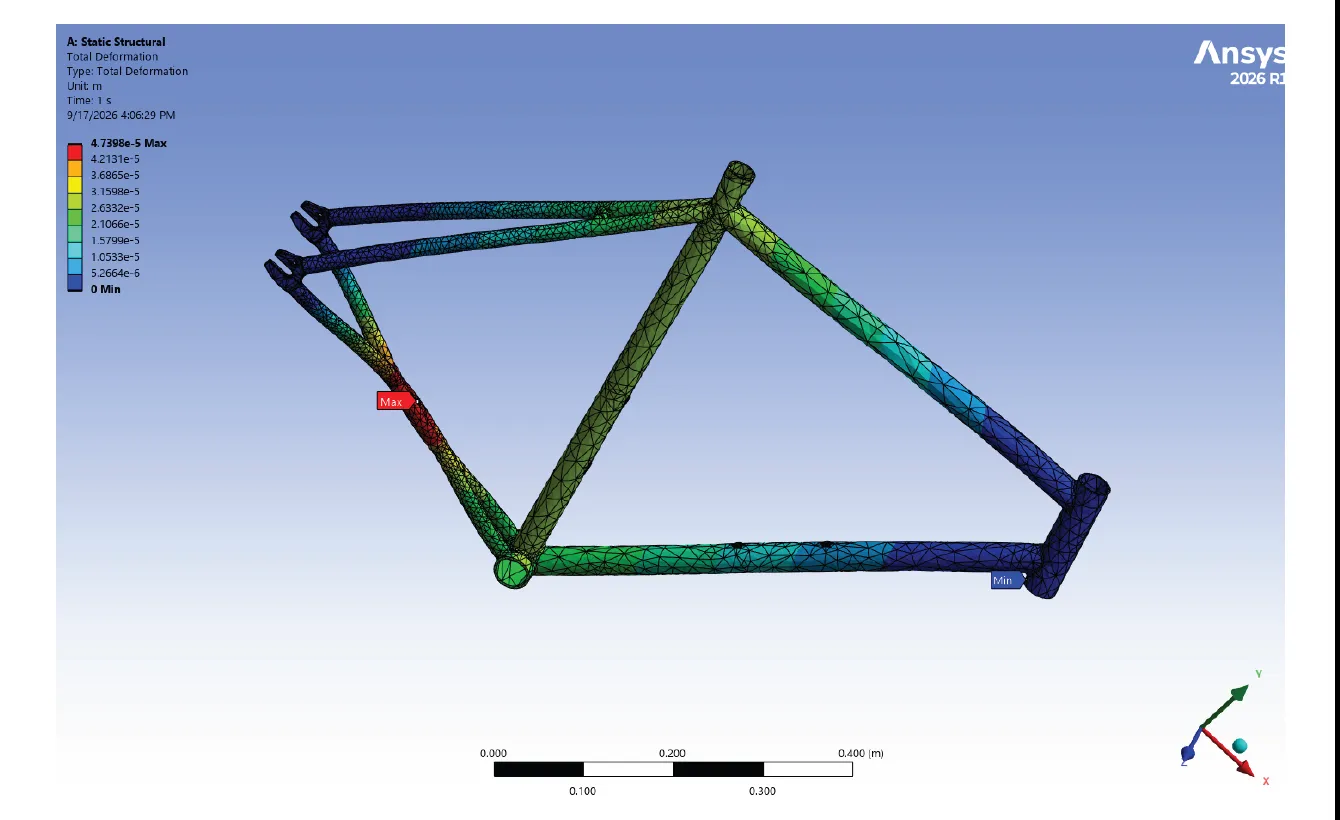
Tubular frame under rider load. Deformation peaks at the head tube, as expected.

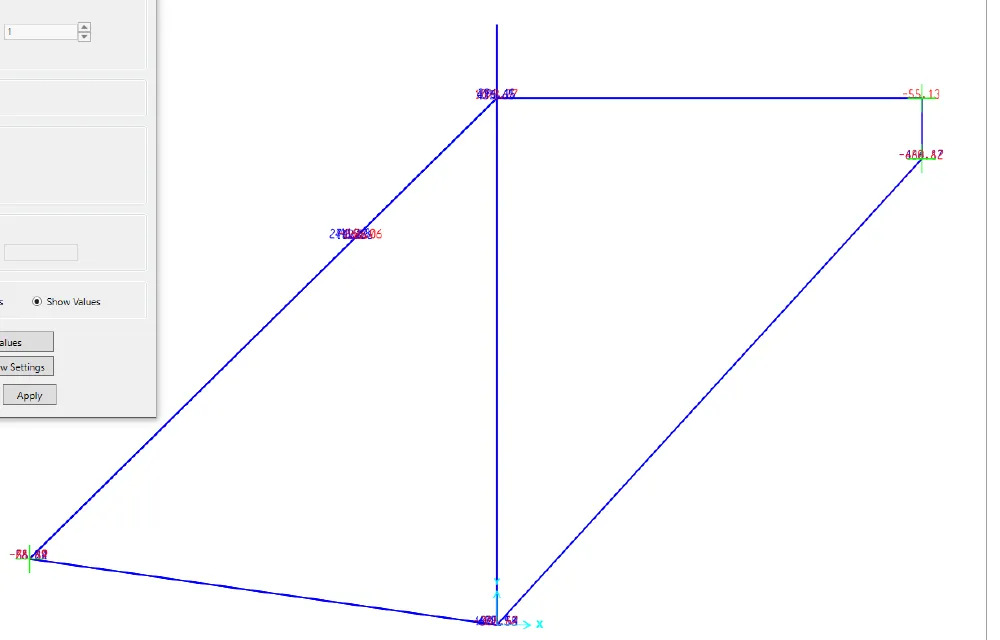
Portal frame under dead load: moment 3-3, shear and axial diagrams, cross-checked against the Ansys beam model.

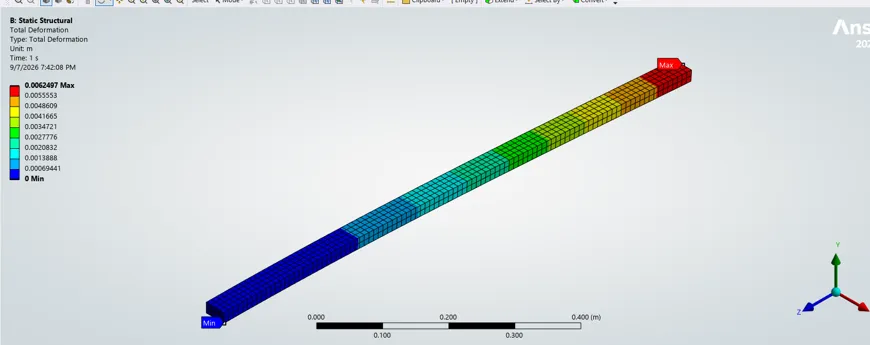
Hex-meshed cantilever checked against Euler–Bernoulli tip deflection before trusting the same settings on the chassis.
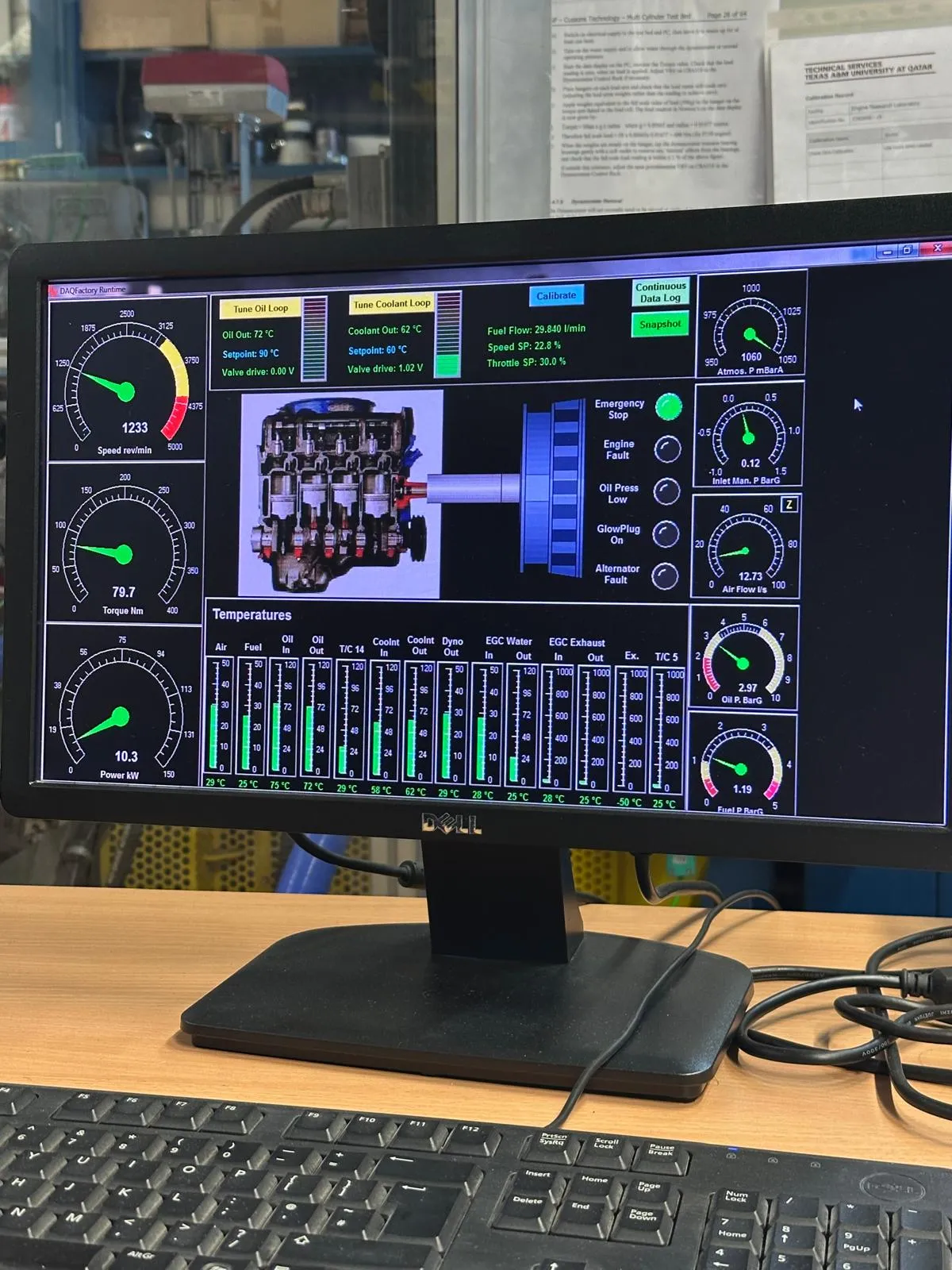
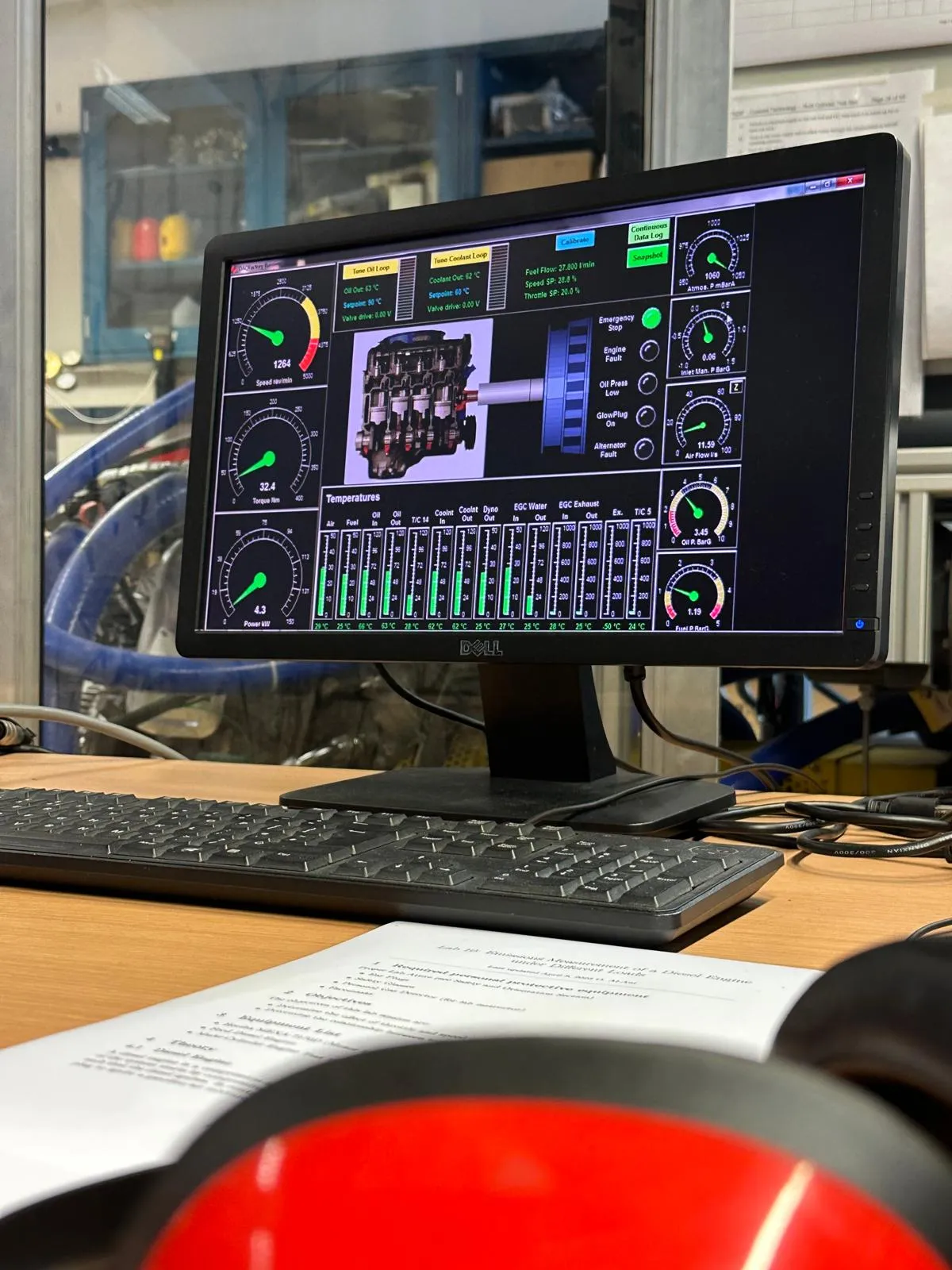
Wind tunnel · wing testMulti-cylinder test bed at TAMUQ: calibrated the dynamometer, tuned the oil and coolant control loops, then mapped torque, power, fuel flow and emissions across the load range. The same instrumentation discipline I bring to a race car.
1233 rpm · 79.7 N·m
1264 rpm · 32.4 N·m


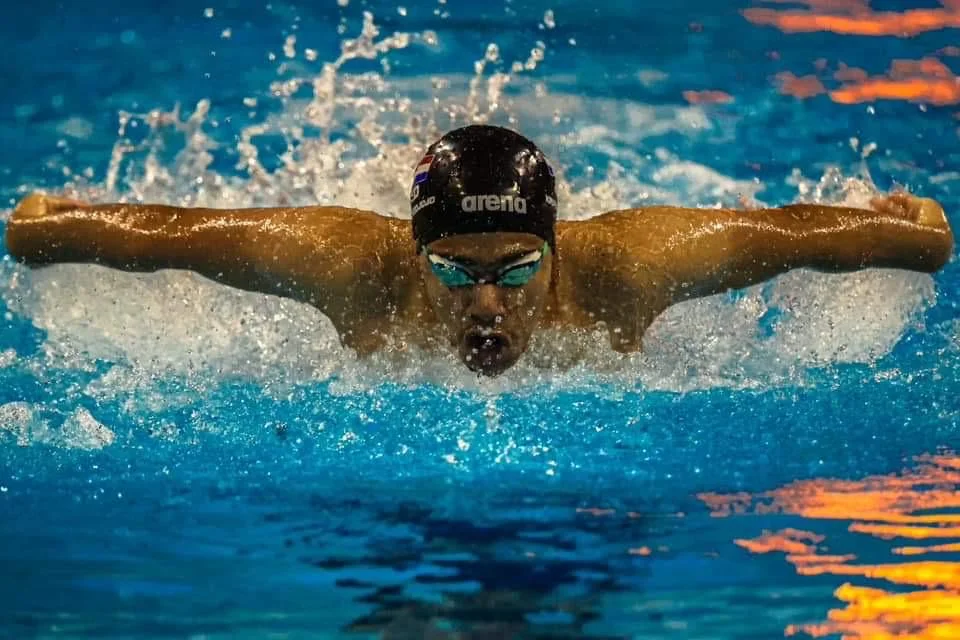
2× World Championship swimmer.
Engineering, for me, is about making things move, on track and in life. I'm reviving the motorsport spirit in Qatar: from a blank CAD file to scrutineering at Lusail, and from no Formula Student team to the country's first. And I put the same engineering into people's lives, with research that helps stroke patients move again. Next stop: wherever I can contribute most. The GCC, Texas, or wherever the grid is.
Hamza Seddek · Doha